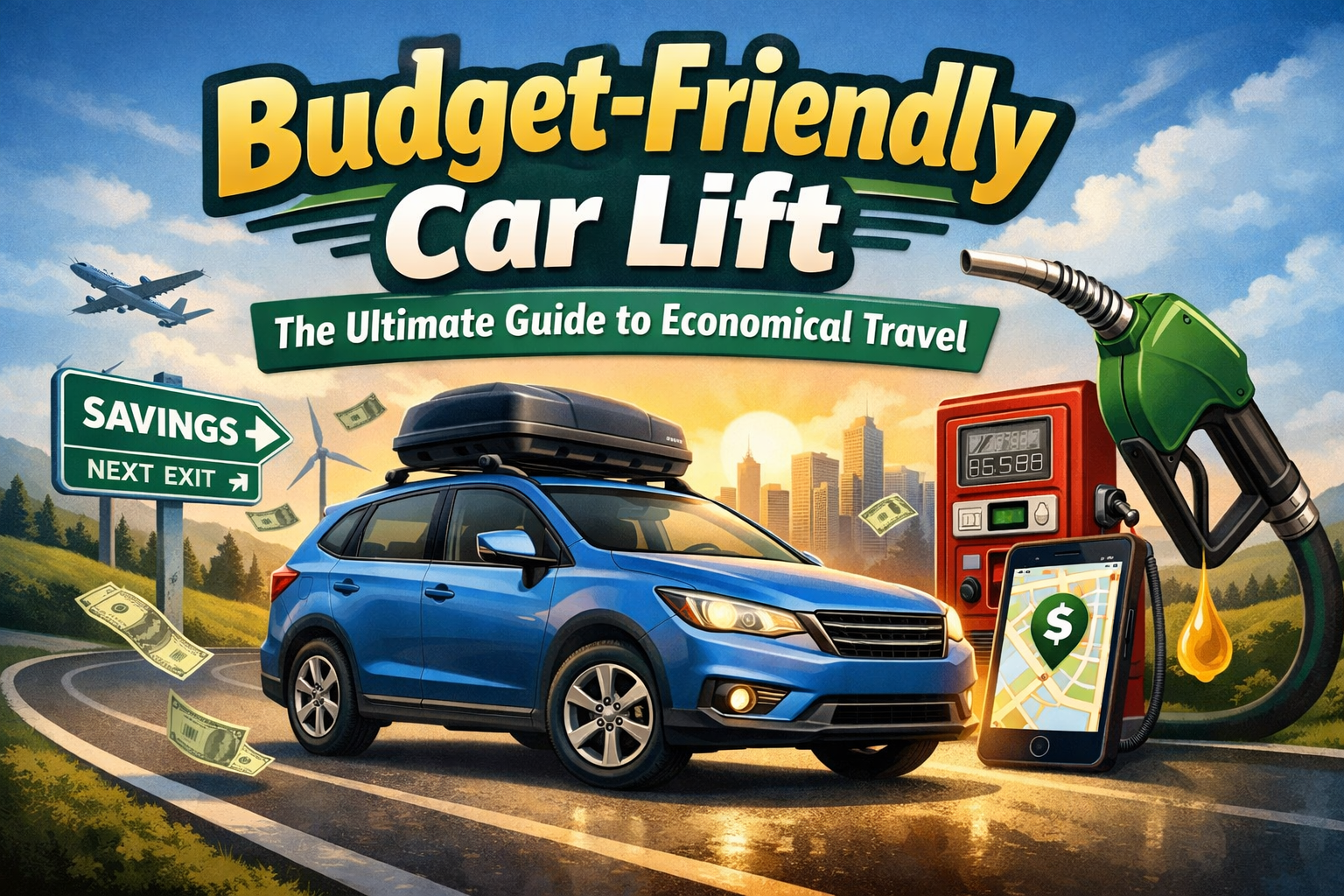
Budget-Friendly Car Lift: The Ultimate Guide to Economical Travel
Travel does not always have to be an expensive endeavor. For many individuals and families, the cost of transportation represents a significant portion of their monthly or travel budget. However, with the right strategies and a proactive mindset, achieving a budget-friendly car lift is entirely possible. This guide explores the multifaceted approach required to minimize costs without sacrificing the quality or safety of your journey. From meticulous route planning to the technical aspects of vehicle maintenance, every decision you make contributes to the overall economy of your trip.
Planning Your Route for Maximum Efficiency
One of the most effective ways to ensure a budget-friendly car lift is through strategic route planning. In the modern age, we have access to powerful tools that can help us navigate the complexities of traffic and terrain.
Avoiding Toll Roads and High-Traffic Areas
Toll roads can quickly add up, especially on long-distance trips. While they often offer the most direct path, the financial cost might outweigh the time saved. Most modern GPS applications allow you to toggle an ‘avoid tolls’ option. By choosing alternative routes, you can keep more money in your pocket. Additionally, avoiding high-traffic areas during peak hours prevents the stop-and-go driving that significantly reduces fuel efficiency.
Utilizing Navigation Apps for Real-Time Updates
Real-time navigation apps like Google Maps or Waze are indispensable for a budget-friendly car lift. These apps provide updates on road closures, accidents, and construction. By avoiding these delays, you prevent unnecessary idling and fuel consumption. Furthermore, some apps highlight the most fuel-efficient routes, which may not always be the fastest but are certainly the most economical.
Vehicle Maintenance and Its Impact on Cost
Many drivers overlook the connection between vehicle health and financial savings. A well-maintained car is inherently more efficient.
Maintaining Optimal Tire Pressure and Alignment
Under-inflated tires increase rolling resistance, which means your engine has to work harder and consume more fuel to move the vehicle. Regularly checking your tire pressure and ensuring it matches the manufacturer’s recommendations is a simple yet effective way to maintain a budget-friendly car lift. Similarly, proper wheel alignment ensures that your tires wear evenly and the car moves forward with minimal resistance.
The Importance of Regular Oil Changes and Filter Replacements
Engine oil acts as a lubricant that reduces friction among moving parts. Over time, oil breaks down and becomes less effective, forcing the engine to work harder. Regular oil changes, along with replacing dirty air filters, ensure that your engine breathes easily and operates at peak efficiency. This not only saves money on fuel but also prevents costly mechanical failures in the long run.
Cultivating Smart Driving Habits
Your behavior behind the wheel is perhaps the most significant variable in determining the cost of your journey. Transitioning to more mindful driving habits is essential for a budget-friendly car lift.
Utilizing Cruise Control and Maintaining Consistent Speeds
Rapid acceleration and heavy braking are the enemies of fuel economy. By maintaining a steady speed, you allow the engine to operate in its most efficient range. On highways, using cruise control can help maintain this consistency, preventing the subtle fluctuations in speed that waste gas. However, be mindful of using cruise control in hilly terrain, as the system may downshift aggressively to maintain speed, which can be counterproductive.
Reducing Idle Time and Aggressive Maneuvers
Idling is essentially getting zero miles per gallon. If you expect to be stopped for more than a minute, it is often more efficient to turn off the engine and restart it when needed. Additionally, aggressive driving—such as swerving through traffic or speeding—rarely saves significant time but drastically increases fuel consumption and wear and tear on your brakes and tires.
Leveraging Technology and Reward Programs
To further enhance your budget-friendly car lift, you should take advantage of the various financial incentives available to modern drivers.
Fuel Reward Programs and Cashback Apps
Many gas station chains offer loyalty programs that provide discounts per gallon. When combined with cashback credit cards or specific apps designed to find the cheapest gas in your area, these savings can be substantial. Over the course of a year, these small discounts accumulate into significant sums.
Exploring Carpooling and Ride-Sharing Opportunities
If your goal is a budget-friendly car lift for daily commuting, carpooling is an excellent option. Sharing the costs of fuel and tolls with colleagues or neighbors reduces your individual burden significantly. Many cities also offer HOV (High Occupancy Vehicle) lanes, which can save time and reduce the stress of driving in heavy traffic.
Choosing the Right Vehicle for Cost Efficiency
Selecting the right car plays a major role in achieving a budget-friendly car lift. Smaller vehicles with higher fuel efficiency typically cost less to operate than larger, heavier models. Hybrid or electric vehicles can further reduce fuel expenses, especially for urban commutes. When evaluating a new or used car, consider not only the purchase price but also the ongoing costs such as insurance, maintenance, and fuel consumption.
Timing Your Travel to Save Money
The timing of your trips can significantly impact overall costs. Traveling during off-peak hours can reduce time spent in traffic, lowering fuel consumption and stress. Additionally, planning trips on weekdays instead of weekends may save money on tolls, parking, or even accommodation if an overnight stay is necessary. Being mindful of seasonal fuel price fluctuations also contributes to a more economical journey.
Efficient Packing Strategies
How you pack your car affects fuel efficiency and vehicle performance. Keeping your car light and organized reduces unnecessary weight, improving mileage. Use soft-sided bags instead of hard luggage to maximize space and avoid excess bulk. Items that are not immediately needed should be left behind, as roof racks or cargo carriers can increase aerodynamic drag, adding extra fuel costs.
Monitoring Fuel Prices and Refueling Smartly
Being strategic about where and when you refuel can save substantial money over time. Mobile apps and websites provide up-to-date fuel prices across nearby stations, allowing you to choose the cheapest option. Avoid refueling at highway stops or premium stations when alternatives are available. Additionally, filling your tank during cooler hours of the day can slightly improve fuel density and efficiency.
Incorporating Preventive Vehicle Care
Preventive care goes beyond oil changes and tire maintenance. Checking brakes, fluids, belts, and lights regularly prevents minor issues from becoming major, costly repairs. Keeping windows and air filters clean ensures better airflow and reduces engine strain. By staying proactive, your vehicle remains efficient, reliable, and more budget-friendly over its lifespan, ultimately reducing the total cost per trip.
Packing and Weight Management
The weight of your vehicle directly affects how much energy is required to move it. Carrying unnecessary items in your trunk or using roof racks when they are not needed creates aerodynamic drag and increases weight. For a truly budget-friendly car lift, clear out any clutter from your vehicle and only pack the essentials for your trip. If you must use a roof box, remove it as soon as it is no longer needed to restore the vehicle’s aerodynamic profile.
Conclusion
Achieving a budget-friendly car lift is a holistic process that involves careful planning, consistent vehicle maintenance, and disciplined driving habits. By implementing the strategies discussed, such as optimizing your route, maintaining your engine, and leveraging technology, you can significantly reduce the costs associated with car travel. Whether you are a daily commuter or an occasional traveler, these practices will not only save you money but also contribute to a more sustainable and stress-free driving experience. Start small by checking your tire pressure or downloading a fuel-saving app, and you will soon see the financial benefits of a more economical approach to the road.
Frequently Asked Questions (FAQ)
How much can I really save by maintaining my tires?
Maintaining proper tire pressure can improve your gas mileage by up to 3%. While this may seem small, it adds up over thousands of miles and also extends the life of your tires, saving you money on replacements.
Is it better to use the AC or roll down the windows for a budget-friendly car lift?
At lower speeds, rolling down the windows is generally more efficient. However, at highway speeds, the aerodynamic drag caused by open windows can be more costly than running the air conditioning. It is usually best to use the AC when driving over 45-50 mph.
Does the type of fuel I use affect my budget?
Unless your vehicle’s manufacturer specifically requires premium fuel, using high-octane gasoline is often an unnecessary expense. Most standard vehicles are designed to run efficiently on regular unleaded, and using a higher grade will not provide a noticeable benefit to performance or fuel economy.
Don’t wait—schedule your car lift today and experience a seamless ride between Dubai and Abu Dhabi. For more Contact Us or connect Direct via WhatsApp.
For more insights and tips on safe, affordable, and reliable transport services, visit our other articles and stay updated with the latest guides and expert advice.
- Car Lift Service UAE: Your Ultimate Guide to Premium Transportation
- UAE Shared Car Lift: The Ultimate Guide to Modern Commuting
- Reliable Monthly Car Lift Service from Dubai to Abu Dhabi – Comfortable & On-Time
- Reliable Car Lift Service from Dubai to Abu Dhabi – Comfortable & On-Time
- Affordable and Reliable Car Lift: Finding the Best Value in Modern Transport


One Response