
Budget-Friendly Rides: A Comprehensive Guide to Economical Transportation
In an increasingly interconnected world, the ability to move efficiently from one point to another is a fundamental necessity. However, as urban populations swell and the cost of living continues to rise, transportation expenses have become a significant burden for many individuals and families. The search for budget-friendly rides is no longer just a preference for the frugal; it is a strategic necessity for maintaining financial health. This guide explores the multifaceted world of affordable transportation, providing actionable insights and professional advice on how to navigate the modern landscape of mobility without breaking the bank.
The Economic Landscape of Modern Transportation
To understand the value of budget-friendly rides, one must first analyze the current economic climate. For the average household, transportation often ranks as the second-highest expenditure, trailing only behind housing. This includes not just the purchase price of a vehicle, but also insurance, fuel, maintenance, and parking. In urban environments, these costs can escalate rapidly due to congestion pricing and limited space. By shifting the focus toward more economical alternatives, individuals can reallocate significant portions of their income toward savings, investments, or other essential needs.
Furthermore, the concept of mobility is undergoing a paradigm shift. The traditional model of one person, one car is being challenged by the rise of the sharing economy and advancements in public infrastructure. This shift is driven by both economic pressure and a growing awareness of environmental sustainability. Budget-friendly rides represent a convergence of these two drivers, offering a way to reduce costs while also lowering one’s carbon footprint. Professionals who master these alternatives often find they have more flexibility and less stress than those tied to the high costs of solo car ownership.
Optimizing Ride-Sharing for Maximum Savings
Ride-sharing platforms have revolutionized the way we think about on-demand transport. While they offer unparalleled convenience, they can also become expensive if not managed correctly. To truly secure budget-friendly rides through these platforms, users must adopt a more strategic approach that involves timing, tier selection, and loyalty management.
Utilizing Shared and Pooled Options
Most major ride-sharing apps offer a ‘pool’ or ‘shared’ service. By opting to share your ride with other passengers heading in the same direction, you can often save between 20% and 40% compared to a private ride. While this may add a few minutes to your travel time, the financial trade-off is often well worth it for daily commuters. These services use sophisticated algorithms to ensure that deviations from your route are minimized, making them a reliable choice for those seeking budget-friendly rides. Furthermore, sharing a ride reduces the number of vehicles on the road, contributing to less traffic and lower emissions.
Loyalty Programs and Subscription Models
Another professional tip for frequent users is to explore subscription services offered by ride-sharing companies. These programs often provide discounted rates, waived delivery fees, and priority service for a fixed monthly fee. If you find yourself using these apps more than a few times a week, the subscription cost is quickly offset by the savings on individual trips. Additionally, many credit card companies partner with ride-sharing platforms to offer cashback or points, further enhancing the affordability of your journeys. It is essential to audit your monthly usage to ensure these subscriptions remain cost-effective.
The Enduring Value of Public Transit
Public transportation remains the gold standard for budget-friendly rides. Whether it is the subway, light rail, or bus systems, public transit offers a cost-per-mile that is virtually unbeatable by any private vehicle. In many major cities, the infrastructure is designed to be the fastest way to navigate dense urban cores, bypassing the gridlock that plagues private cars.
Strategic Pass Purchasing
One of the most effective ways to lower your transit costs is through the purchase of monthly or annual passes. While the upfront cost may seem high, the per-trip cost drops significantly for regular users. For example, if a single bus fare is $2.50, but a monthly pass is $80, a commuter who takes 40 trips a month is already breaking even. Any additional trips—such as weekend errands or evening social events—become essentially free. Many employers also offer pre-tax transit benefits, which can further reduce the effective cost of your commute by using gross income before taxes are applied.
Integrating Technology with Transit
Modern transit agencies have embraced technology, offering real-time tracking and integrated payment systems. Apps like Transit or Google Maps allow users to plan multi-modal trips that combine walking, biking, and busing to find the fastest and cheapest route. By staying informed about schedules and delays, you can avoid the temptation of calling an expensive ride-share when the bus is just a few minutes away. Smart cards and mobile wallets also allow for ‘fare capping,’ where the system automatically stops charging you once you have reached the price of a daily or weekly pass, ensuring you always get the best deal on budget-friendly rides.
The Resurgence of Carpooling and Vanpooling
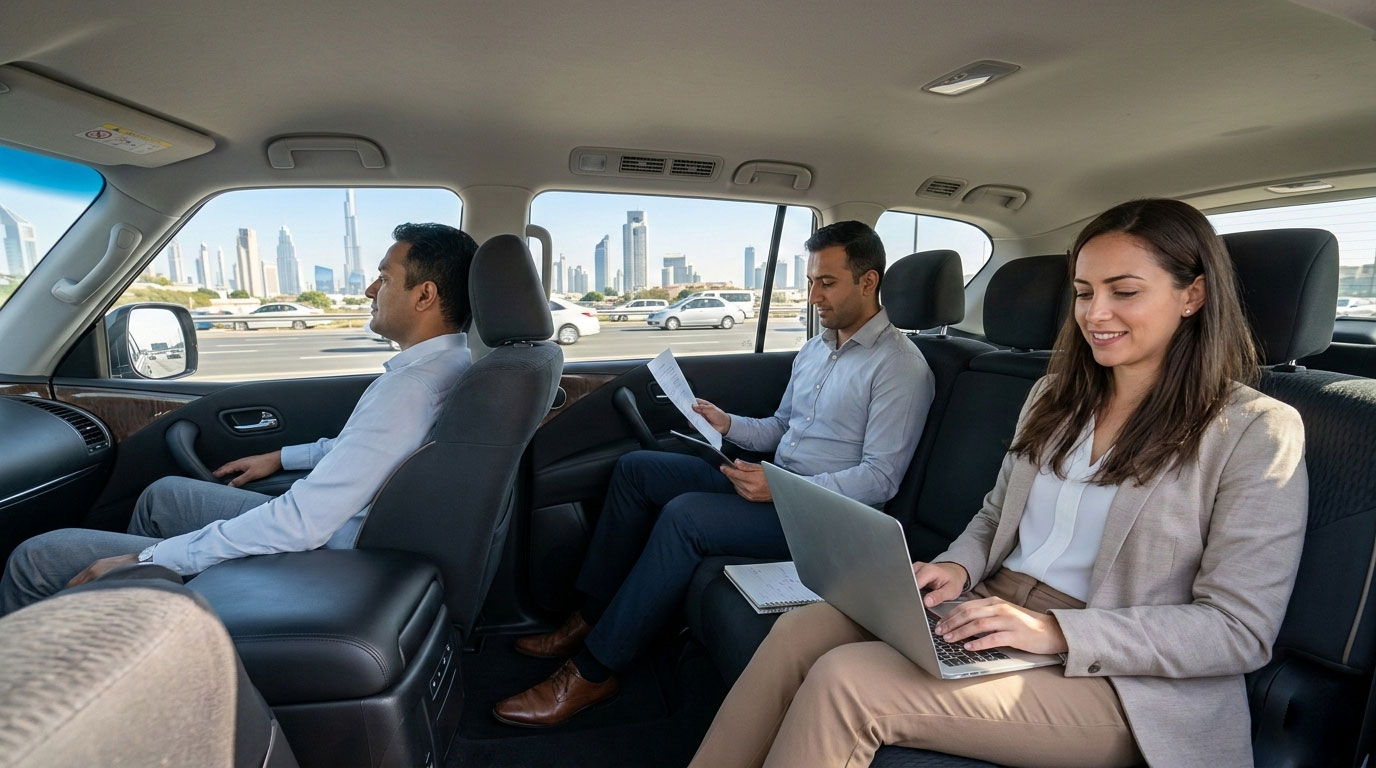
Carpooling is a classic method for securing budget-friendly rides that has seen a high-tech resurgence. By sharing the costs of fuel and tolls with colleagues or neighbors, you can drastically reduce the price of your daily commute. Beyond the financial aspect, carpooling also offers social benefits and can reduce the psychological strain of driving in heavy traffic.
Corporate and Community Programs
Many large employers now offer carpool matching services or even subsidized vanpool programs. These initiatives are designed to reduce the demand for parking and support employee well-being. In some regions, carpoolers are also granted access to High-Occupancy Vehicle (HOV) lanes, which not only saves money but also significantly reduces travel time during peak hours. Engaging with these programs is a professional way to network while maintaining a focus on budget-friendly rides. Some companies even provide ‘guaranteed ride home’ programs for carpoolers, offering peace of mind in case of an emergency.
Peer-to-Peer Carpooling Apps
Newer platforms have emerged that facilitate long-distance carpooling. These apps connect drivers who have empty seats with travelers heading to the same city. This is often far cheaper than a train or plane ticket and provides a more social experience. For the driver, it helps offset the cost of a trip they were already planning to take; for the passenger, it provides one of the most budget-friendly rides available for inter-city travel. These platforms often include verification systems and reviews to ensure safety and reliability for all participants.
Micro-mobility: Bikes, E-Scooters, and Beyond
For short-to-medium distances, micro-mobility solutions are becoming increasingly popular. These options are particularly effective for the ‘last mile’ of a commute—the distance between a transit station and your final destination. They offer a level of flexibility that fixed-route transit cannot match.
The Economics of Biking
Bicycling is perhaps the most cost-effective form of transportation available. After the initial investment in a bicycle and basic safety gear, the ongoing costs are minimal. Many cities now feature robust bike-sharing programs, allowing users to rent a bike for a small fee. For those looking for budget-friendly rides that also incorporate physical activity, biking is an ideal solution.
E-Scooters and Dockless Mobility
In many urban centers, dockless e-scooters have become a common sight. Many companies also offer ‘low-income’ programs that provide significant discounts to eligible riders, ensuring that micro-mobility remains an inclusive option. For the professional on the move, these scooters provide a quick way to zip between meetings without the hassle of finding a parking spot.</p>
Long-Distance Travel on a Budget
When it comes to traveling between cities or even countries, finding budget-friendly rides requires a different set of strategies. The key here is flexibility, early planning, and a willingness to look beyond the most obvious travel methods.
The Return of the Bus and Rail
d=”10080″>Companies like Megabus or FlixBus offer fares that can be as low as a few dollars if booked well in advance. These buses often include amenities like Wi-Fi and power outlets, making them a productive environment for professionals on the move.
ta-start=”10082″ data-end=”10126″>Budget Airlines and Booking Strategies
d=”10762″>>If flying is necessary, securing budget-friendly rides in the air involves mastering the art of the ‘low-cost carrier.’ Airlines like Spirit, Ryanair, or Southwest have business models built around low base fares. However, travelers must be diligent about avoiding ‘add-on’ fees for luggage, seat selection, and snacks. By traveling light and being flexible with travel dates, it is possible to find flights that are surprisingly affordable. Using fare comparison tools and setting price alerts are essential habits for the budget-conscious traveler. Additionally, flying into secondary airports can often yield significant savings.
Preventative Care and Longevity
Ignoring small mechanical issues can lead to catastrophic—and expensive—repairs later. Regular oil changes, tire rotations, and brake inspections are essential for keeping a car running efficiently.
Fuel-Efficient Driving Habits
How you drive significantly impacts how much you spend at the pump.
The Psychological and Social Benefits of Affordable Mobility
Choosing budget-friendly rides is not just a financial decision; it also has profound psychological and social impacts. The stress of maintaining a high-cost vehicle and navigating traffic alone can take a toll on mental health. Conversely, utilizing public transit or carpooling can provide opportunities for relaxation, reading, or social interaction.
Reducing Commuter Stress
Studies have shown that active commuting, such as walking or biking, is linked to higher levels of well-being. Even the act of sitting on a train allows for a ‘buffer’ period between work and home, where one can decompress. By opting for budget-friendly rides that take the pressure off the driver, individuals can arrive at their destination feeling more refreshed and focused. This productivity boost is a hidden financial gain that is often overlooked in traditional cost-benefit analyses.
Building Community Through Shared Transit
Shared transportation fosters a sense of community.This social equity is a vital component of a healthy, functioning society.
The Future of Budget-Friendly Mobility
As technology continues to evolve, the future of budget-friendly rides looks promising. Innovations in autonomous technology, electrification, and data analytics are poised to make transportation even more accessible and affordable.
Autonomous Vehicles and the Cost of Labor
Autonomous vehicles have the potential to drastically lower the cost of ride-sharing by removing the need for a human driver. While this technology is still in its nascent stages, it represents the next frontier in affordable, on-demand transportation.
Conclusion
Navigating the modern world requires a smart and strategic approach to transportation. The key lies in being proactive, staying informed about new technologies, and remaining flexible in your transportation choices. Ultimately, choosing budget-friendly rides is a powerful way to take control of your finances, reduce your environmental impact, and contribute to a more sustainable and connected future.</p>
Frequently Asked Questions (FAQ)
What are the most reliable budget-friendly rides for daily commuting?
Public transportation, such as buses and subways, remains the most reliable and cost-effective option for daily commutes in urban areas.
Are budget-friendly rides like e-scooters and bikes safe for city travel?
Yes, micro-mobility options are generally safe, especially in cities with dedicated bike lanes and supportive infrastructure. To ensure your safety, always wear a helmet, follow local traffic laws, and stay aware of your surroundings. Many budget-friendly rides in the micro-mobility sector also offer safety tutorials and insurance options within their apps to protect riders.
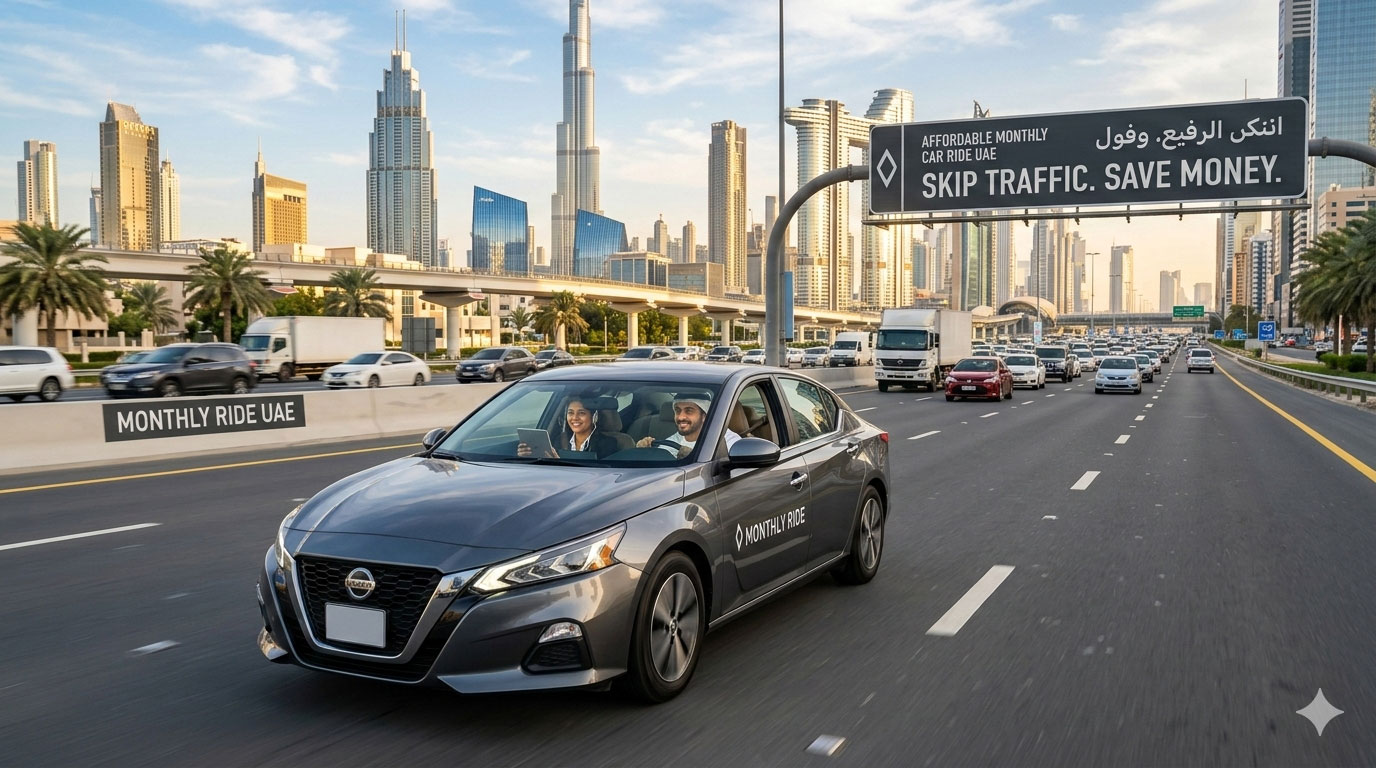
Don’t wait—schedule your car lift today and experience a seamless ride between Dubai and Abu Dhabi. For more Contact Us or connect Direct via WhatsApp.
For more insights and tips on safe, affordable, and reliable transport services, visit our other articles and stay updated with the latest guides and expert advice.
2 Responses