
The Ultimate Guide to Carpooling in Dubai: Rules, Routes, and Savings
Living in Dubai offers a plethora of luxuries, yet the daily commute along Sheikh Zayed Road can often feel like a test of patience. In my years navigating the bustling arteries of this metropolis, I have discovered that the most effective way to reclaim your time and sanity is not by buying a faster car, but by sharing the ride. Carpooling in Dubai has evolved from a casual arrangement into a sophisticated, eco-friendly, and cost-effective necessity for thousands of residents. However, navigating the legal landscape and finding the right partners requires specific knowledge.
Consequently, I have compiled this comprehensive guide based on extensive personal experience and current regulations. Whether you are a daily commuter to Media City or a weekend traveler to Abu Dhabi, understanding the dynamics of shared transport is essential. Furthermore, with the rising costs of fuel and Salik tolls, the financial incentives are harder to ignore than ever before.
Executive Summary: Shared Transport at a Glance
Before diving into the intricate details, the table below provides a high-level overview of what you need to know about carpooling in the region. This summary is designed to give you immediate insights into the viability of shared transport for your specific situation.
| Factor | Details | Impact Level |
|---|---|---|
| Legality | Strictly regulated by RTA. Unlicensed taxiing is illegal; non-profit carpooling is permitted under specific conditions. | High (Risk of Fines) |
| Cost Savings | Potential to save 30-50% on monthly commuting costs (fuel + tolls). | Very High |
| Primary Routes | Dubai-Sharjah, Dubai-Abu Dhabi, JVC-Downtown. | Medium |
| Environmental | Significant reduction in carbon footprint per passenger. | High |
Understanding the Legality of Carpooling in Dubai
The most critical aspect of sharing a ride in the UAE is understanding the legal framework. Unlike many western countries where informal ride-sharing is largely unregulated, the Roads and Transport Authority (RTA) has strict guidelines. It is imperative to distinguish between legal carpooling and illegal “bootlegging” (operating an unlicensed taxi).
Historically, the RTA launched initiatives like “Sharekni” to regulate this space. The golden rule is simple: money cannot be made for profit. Generally, the driver can only accept contributions that cover the cost of petrol and vehicle wear and tear. If a driver is found generating a profit without a commercial license, they face steep fines. For detailed regulations, you should always refer to the official Roads and Transport Authority (RTA) website. This distinction protects passengers from unsafe vehicles and ensures fair competition for licensed taxi services.
Why Compliance Matters for Carpooling in Dubai
Ignoring these regulations can lead to fines ranging from AED 5,000 to AED 20,000 and potential deportation for expatriates involved in illegal transport operations. Therefore, utilizing official platforms or ensuring your private arrangement is strictly cost-sharing is non-negotiable. In my experience, transparency is key; always agree on the contribution amount beforehand to ensure it aligns with actual trip costs rather than a commercial fare.
The Economic Advantages of Carpooling
Beyond the legalities, the primary driver for the surge in carpooling in Dubai is economic efficiency. The cumulative cost of vehicle ownership in the UAE involves insurance, registration, servicing, fuel, and the inevitable Salik (toll) fees. When you drive alone, you bear 100% of these costs.
However, by sharing a ride with just three other people, you effectively quarter your variable commuting expenses. For instance, a daily round trip from Sharjah to Dubai Business Bay can cost upwards of AED 40 in fuel and AED 32 in Salik daily. Over a month, this amounts to roughly AED 1,500. Sharing this cost brings it down to under AED 400 per person. Moreover, this does not even account for the depreciation of the vehicle, which is accelerated by high-mileage daily commutes.
Cost Comparison: Car Ownership vs. Carpooling in Dubai
To visualize the savings, consider the following breakdown for a standard sedan owner commuting 60km daily:
- Solo Driver Monthly Cost: AED 2,200 (Fuel, Salik, Maintenance allocation).
- Carpool Passenger Monthly Cost: AED 600 – AED 800 (Agreed contribution).
- Net Annual Savings: Approximately AED 16,800.
This substantial saving allows residents to allocate funds elsewhere, perhaps towards housing upgrades or savings, which is a significant lifestyle improvement.
Navigating Inter-Emirate Commutes
While intra-city travel is popular, the true heroes of shared transport are those navigating the highways between emirates. The route between Dubai and Abu Dhabi is heavily traversed by professionals living in one city and working in the other. This specific commute can be exhausting behind the wheel, often taking 90 minutes each way.
In addition to the fatigue, the cost is considerable. This is where specialized car lift services come into play. Rather than relying on sporadic arrangements, many professionals opt for dedicated services. For those specifically looking for reliable daily transport between emirates, services like Carlift Dubai Abu Dhabi offer specialized solutions that bridge the gap between public transport and expensive private taxis. Utilizing a service that specializes in this long-haul route ensures punctuality and comfort, which are crucial for maintaining productivity at work.
The Dubai to Abu Dhabi Corridor
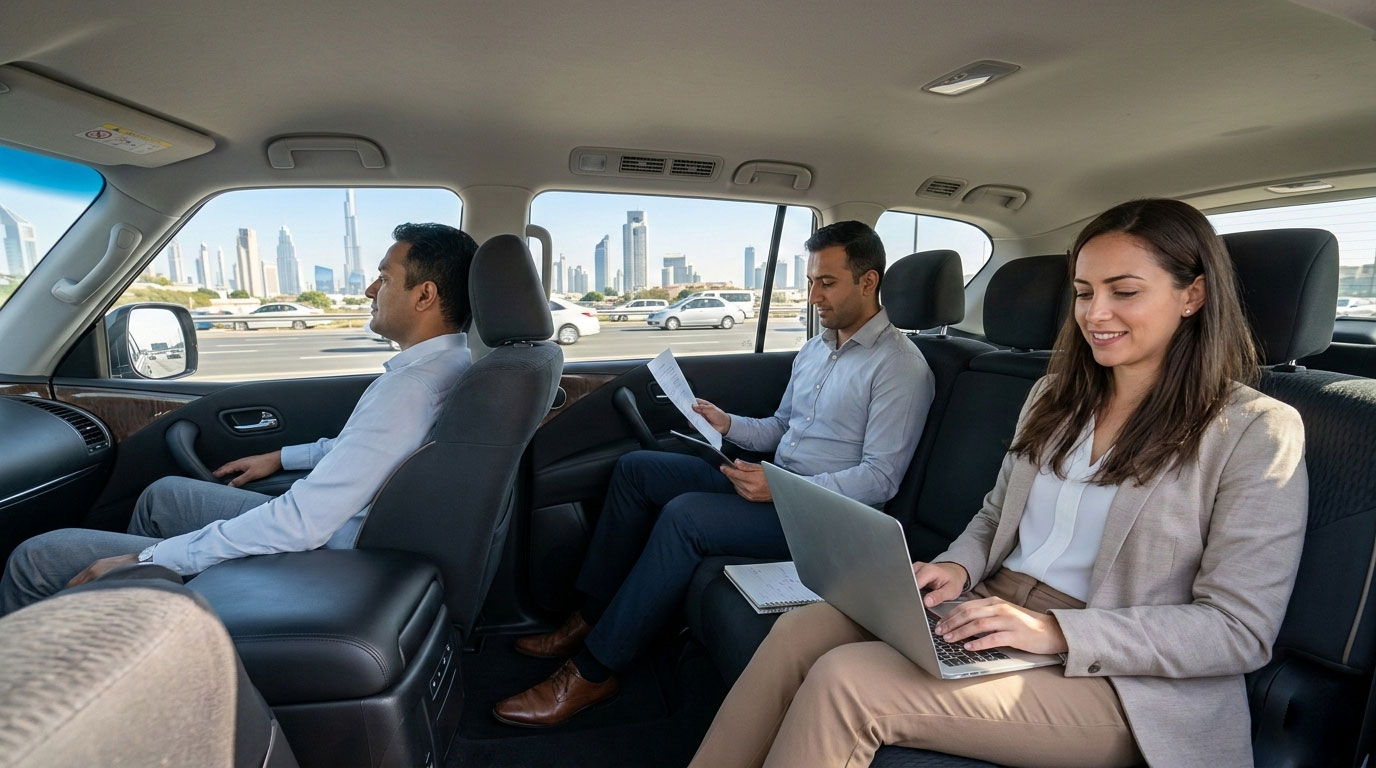
The E11 highway is one of the busiest in the region. Carpooling in Dubai for the purpose of reaching the capital requires a vehicle in excellent condition due to the high speeds and distance. Furthermore, the camaraderie developed during these long rides often leads to strong professional networking opportunities. I have personally witnessed business deals originating from conversations in the back of a shared car lift on the way to Abu Dhabi.
Essential Carpooling Etiquette
Successful ride-sharing is as much about social intelligence as it is about logistics. Over the years, I have identified several unwritten rules that ensure a harmonious journey for everyone involved.
1. Punctuality is Paramount: Nothing disrupts a carpool group faster than a chronic latecomer. In a city like Dubai, where traffic patterns shift by the minute, a five-minute delay can result in a thirty-minute arrival difference. Consequently, being on time is a sign of respect for your fellow commuters.
2. Scent Sensitivity: Dubai is hot, but heavy perfumes or strong food odors can be overwhelming in a confined space. It is advisable to maintain neutral hygiene and avoid eating messy foods during the ride.
3. Discussing Topics: While conversation is a benefit of carpooling in Dubai, politics and sensitive cultural topics are best avoided unless you know your group well. Stick to neutral subjects or professional discussions.
Environmental Implications
We cannot discuss the modernization of transport without addressing sustainability. The UAE government has set ambitious goals for reducing carbon emissions. Every car removed from the road contributes to this vision. According to sustainability data, if 10% of Dubai’s solo drivers switched to carpooling, traffic congestion would drop significantly, and CO2 emissions would decrease by thousands of tonnes annually.
Moreover, participating in shared transport aligns personal actions with the broader UAE Net Zero 2050 Strategic Initiative. It is a tangible way for residents to contribute to a greener future while enjoying immediate personal benefits. By reducing the number of vehicles on the road, we also reduce the demand for new road infrastructure and parking spaces, allowing the city to allocate resources to green spaces and community development.
Top Apps and Platforms for Carpooling in Dubai
While informal WhatsApp groups are common, technology has streamlined the process of finding a ride. Several apps have attempted to crack the market, providing safety features and secure payment gateways.
Careem and Uber: While primarily ride-hailing, their “share” options (where available) offer a high-end version of carpooling. These are fully legal and insured, though more expensive than private arrangements.
Community Groups: Facebook and specialized forums remain the most active marketplaces for finding long-term carpool partners. However, users must exercise caution and verify the legality of the arrangement. For broader context on how the sharing economy is reshaping global transport, resources like Wikipedia’s overview on Carpooling provide excellent background on the evolution of these systems.
Safety First
Regardless of the platform, safety should never be compromised. Always share your live location with a family member when riding with new people. In addition, verifying the driver’s license and vehicle registration is a reasonable request before committing to a monthly arrangement.
Future Trends in Dubai’s Shared Mobility
Looking ahead, the landscape of carpooling in Dubai is set to change dramatically. The introduction of autonomous vehicles and smart city grids will likely automate the carpooling process. Imagine pods that pick up neighbors automatically based on real-time data integration. The RTA is heavily investing in these technologies, suggesting that the future of commuting is not just shared, but driverless.
Furthermore, corporate carpooling is gaining traction. Companies are increasingly organizing transport for employees to reduce parking demand at office locations. This B2B approach to carpooling ensures high compliance with regulations and reliability for staff.
FAQ: Common Questions About Carpooling in Dubai
Is carpooling legal in Dubai?
Yes, provided it is not for profit. The driver can only accept money to cover fuel and basic costs. Operating a for-profit taxi service without a license is illegal.
How much can I save by carpooling?
Commuters can typically save between 30% to 50% on their monthly transport expenses by sharing fuel and toll costs.
What is the best way to find a carpool to Abu Dhabi?
Dedicated services and platforms are recommended for inter-emirate travel. Checking trusted providers for car lifts is often safer and more reliable than casual arrangements.
Can I advertise my carpool on social media?
While common, it is technically a gray area. It is safer to use official RTA-sanctioned apps or word-of-mouth within your company or residential community to strict adherence to RTA rules.
Conclusion
Mastering the art of carpooling in Dubai is more than just a logistical hack; it is a lifestyle adjustment that yields dividends in time, money, and stress reduction. From the legal nuances enforced by the RTA to the daily etiquette of sharing a confined space, the ecosystem is unique to this vibrant city. Whether you are utilizing a professional service for the long haul to Abu Dhabi or sharing a ride with a neighbor to Downtown, the benefits are undeniable.
As the city continues to grow and prioritize sustainability, shared transport will move from being an alternative to being the standard. By adopting this practice now, you are not only optimizing your own life but contributing to the efficiency and health of Dubai’s transport network. I encourage you to explore your options, calculate your savings, and take the first step towards a smarter commute today.