Cheap and Comfortable Travel UAE Guide (2026)
Traveling across the United Arab Emirates (UAE) is often associated with luxury, fast cars, and premium services. While high-end options are widely available, it is entirely possible to travel across the country in a cheap and comfortable way. With proper planning and an understanding of the available transport systems, both residents and visitors can significantly reduce travel costs without compromising convenience.
This guide provides a detailed overview of affordable travel options, cost comparisons, and practical strategies to help you move efficiently between major cities such as Dubai, Abu Dhabi, and Sharjah.
Overview of Transportation in the UAE
The UAE has one of the most advanced transport infrastructures in the world. Wide highways, modern public transport systems, and well-maintained roads make commuting between emirates smooth and reliable.
Intercity travel is especially common due to:
- People living in Sharjah and working in Dubai
- Professionals commuting between Dubai and Abu Dhabi
- Tourists exploring multiple emirates during short stays
Because of these commuting patterns, transportation is not just occasional—it is often a daily necessity. Choosing the right travel option can lead to substantial monthly savings.
Cheap and Comfortable Travel Options
1. Shared Car Lift
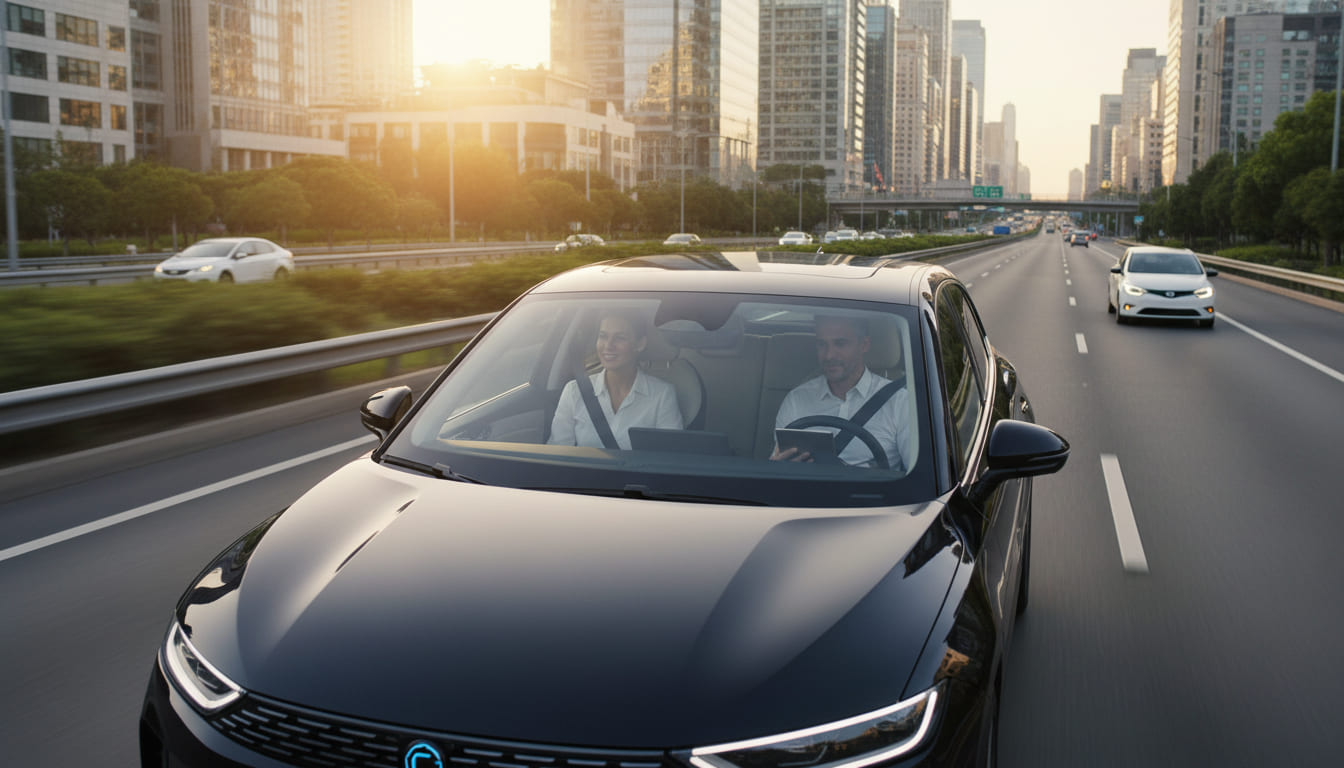
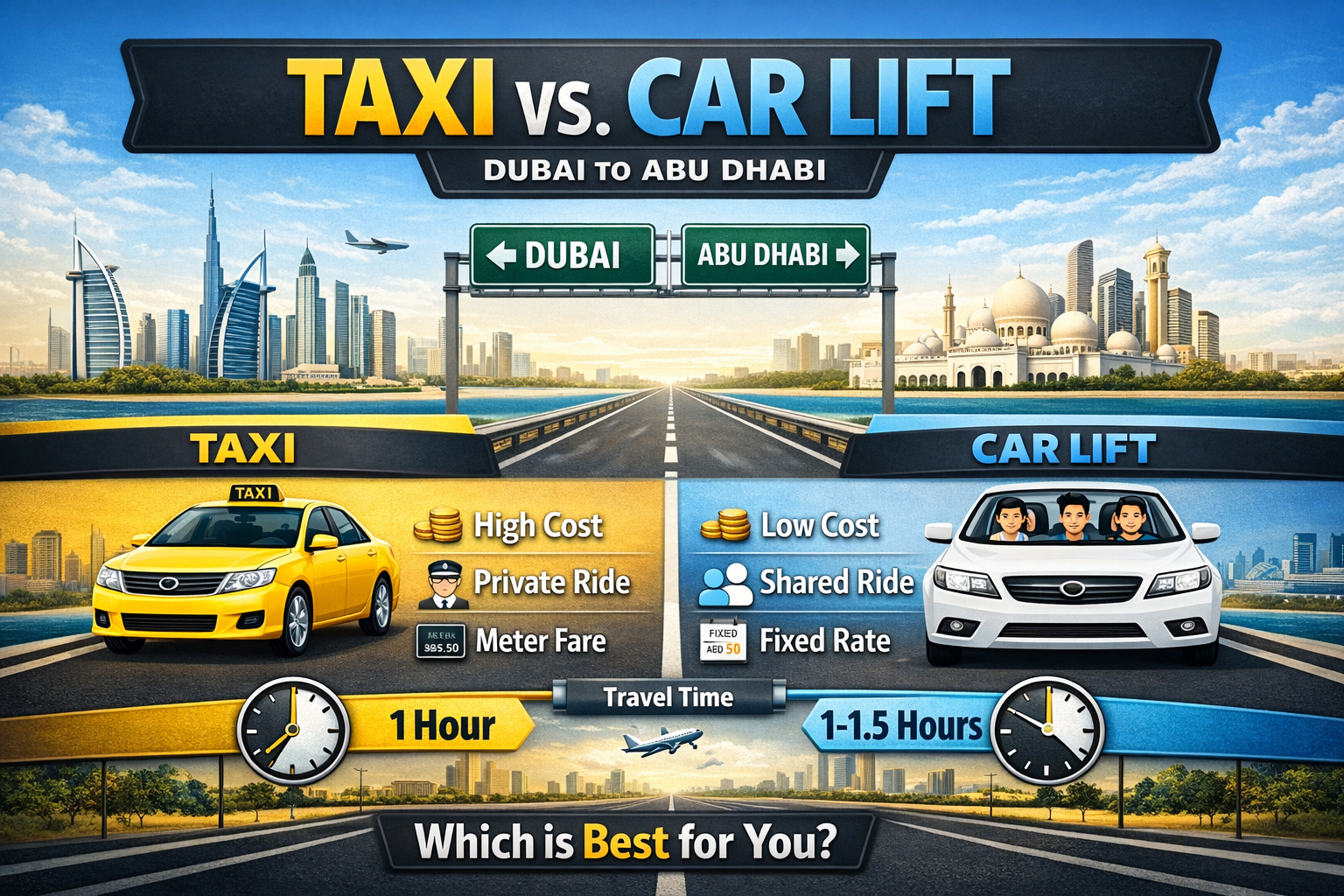
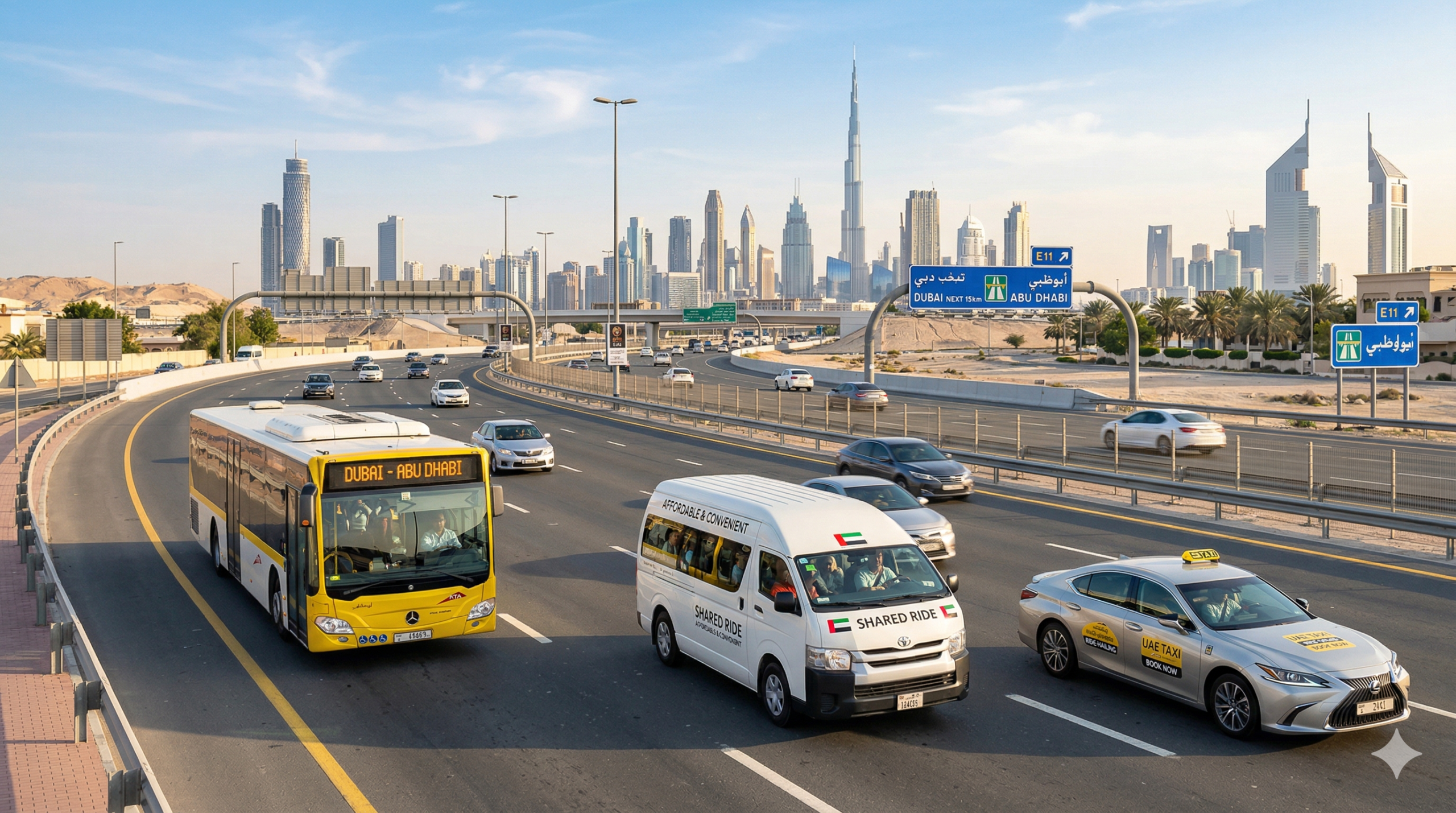
Shared car lifts are among the most popular options for affordable intercity travel in the UAE. In this model, multiple passengers share a vehicle and split the cost of the trip.
Typical Cost:
AED 100–150 per trip (e.g., Dubai to Abu Dhabi)
Key Advantages:
- Door-to-door service
- Comfortable, air-conditioned vehicles
- Faster than public buses
- Cost-effective compared to taxis
Limitations:
- Less privacy
- Fixed or semi-fixed schedules
- Limited luggage space
Shared car lifts are particularly useful for daily commuters who want a balance between affordability and comfort.
2. Public Bus Transport
Public buses are the most budget-friendly option for intercity travel. Operated by government authorities, they are reliable and widely used.
Typical Cost:
AED 25–35 for long-distance routes
Travel Time:
Approximately 2 to 2.5 hours depending on traffic and stops
Advantages:
- Lowest cost option
- Safe and regulated
- Consistent schedules
Disadvantages:
- Longer travel time
- No door-to-door convenience
- Can become crowded during peak hours
Public buses are ideal for travelers who prioritize saving money over convenience.
3. Metro and Bus Combination (Dubai Only)
Within Dubai, the metro system is one of the most efficient urban transport options.
Cost:
AED 3–10 depending on zones traveled
Advantages:
- Clean and modern infrastructure
- Air-conditioned trains and stations
- Frequent service intervals
- Easy navigation for tourists and residents
Limitations:
- Limited to Dubai
- Requires additional transport for first/last mile
The metro is best suited for intra-city travel rather than intercity commuting.
4. Ride-Hailing Services
Ride-hailing services offer convenience, privacy, and door-to-door transport.
Popular platforms include Uber and Careem.
Typical Cost:
AED 250–400 for long-distance routes such as Dubai to Abu Dhabi
Advantages:
- High comfort level
- Available 24/7
- No need to coordinate with others
- Direct routes without stops
Disadvantages:
- Expensive for daily commuting
- Prices can fluctuate during peak demand
Ride-hailing is best for occasional trips, business travel, or when convenience is a priority.
5. Car Rental
Car rental provides flexibility for travelers who prefer independent movement.
Advantages:
- Full control over travel schedule
- Suitable for families and groups
- Ideal for exploring multiple destinations
Additional Costs:
- Fuel
- Salik (toll) charges
- Parking fees
- Insurance and deposits
While convenient, car rental becomes costly for long-term daily commuting compared to shared transport.
Cost Comparison of Travel Options
| Transport Mode | Approx Cost (AED) | Comfort Level | Speed | Best Use Case |
|---|---|---|---|---|
| Shared Car Lift | 100–150 | High | Fast | Daily commuting |
| Public Bus | 25–35 | Medium | Slow | Budget travel |
| Metro + Bus | 3–10 | High | Fast | City travel |
| Ride-Hailing | 250–400 | Very High | Fast | Occasional trips |
| Car Rental | Varies | High | Flexible | Groups & families |
Monthly Travel Cost Breakdown
For someone commuting regularly between Dubai and Abu Dhabi, monthly costs can vary significantly:
- Shared Car Lift: AED 2,500–3,000
- Public Bus: AED 1,200–1,500
- Ride-Hailing: AED 6,000–8,000
- Car Ownership: AED 4,000–5,500
Shared car lifts provide the best balance of affordability and comfort for regular commuters.
How to Choose the Right Option
Selecting the right travel method depends on your personal needs:
Budget:
If minimizing cost is your priority, public buses are the cheapest.
Comfort:
If you want a balance of comfort and cost, shared car lifts are ideal.
Time Sensitivity:
If you need to reach quickly, choose shared rides or taxis.
Frequency of Travel:
Daily commuters benefit most from shared transport options.
Group Size:
Families or groups may find car rentals more practical.
Practical Money-Saving Tips
To reduce travel expenses in the UAE:
- Book shared rides in advance to secure better rates
- Avoid peak traffic hours when possible
- Use public transport for short distances
- Share rides with colleagues or friends
- Consider monthly commuting arrangements for discounts
Small adjustments in travel habits can lead to significant savings over time.
Tips for Comfortable Travel
Even when traveling on a budget, comfort can be maintained with a few simple practices:
- Choose reliable and well-reviewed transport providers
- Carry essentials such as water, headphones, and chargers
- Travel light to avoid inconvenience
- Plan trips during less congested hours
- Ensure proper seating and ventilation in shared vehicles
Comfort becomes especially important for long intercity journeys.
Environmental Impact of Shared Travel
Using shared and public transportation contributes positively to the environment:
- Reduces the number of vehicles on roads
- Lowers fuel consumption
- Minimizes traffic congestion
- Decreases carbon emissions
Sustainable travel choices are increasingly important in modern urban planning, and shared transport plays a key role in achieving this.
Future of Transportation in the UAE
The UAE continues to invest in innovative transportation solutions to improve efficiency and sustainability. Future developments include:
- Expansion of electric and hybrid vehicles
- Smart transport systems with real-time tracking
- Integration of AI in route optimization
- Enhanced public transport networks
These advancements aim to make travel faster, safer, and more cost-effective for residents and visitors.
Best Travel Option Based on User Type
- Daily commuters: Shared car lifts
- Budget travelers: Public buses
- City travelers: Metro and local buses
- Business travelers: Ride-hailing services
- Families/groups: Car rentals
Each option serves a different purpose, and the best choice depends on individual priorities.
Final Verdict
Cheap and comfortable travel in the UAE is not only possible but also practical with the right choices. While public buses are the cheapest option, they may not offer the convenience many travelers need.
Shared car lifts stand out as the best overall solution, providing a perfect balance between cost, comfort, and convenience—especially for those traveling frequently between Dubai and Abu Dhabi.
By planning ahead and choosing wisely, you can significantly reduce your travel expenses while enjoying a comfortable journey.
FAQs
1. What is the cheapest way to travel in the UAE?
Public buses are the cheapest option, with fares starting from AED 25 for intercity travel.
2. What is the most comfortable budget travel option in the UAE?
Shared car lifts offer the best balance between affordability and comfort, especially for long-distance travel.
3. How much does it cost to travel from Dubai to Abu Dhabi?
Costs vary by transport type: shared car lifts cost around AED 100–150, while taxis or ride-hailing services can cost AED 250–400.
4. Are shared car lifts safe in the UAE?
Yes, they are generally safe when you choose reputable and licensed service providers.
5. Is public transport reliable in the UAE?
Yes, public transport including buses and metro systems is clean, safe, and well-maintained.
6. Can tourists easily use transport in the UAE?
Yes, tourists can easily access buses, metro, and apps like Careem and Uber.
7. Which is faster: shared car lift or bus?
Shared car lifts are generally faster because they have fewer stops and offer more direct routes.
8. Is renting a car a good option in the UAE?
Yes, car rental is ideal for families or travelers who need flexibility, but it includes extra costs like fuel and parking.
9. How can I reduce daily travel costs in the UAE?
You can save money by using shared rides, booking in advance, traveling during off-peak hours, and combining transport options.
10. What is the best transport option for daily commuting?
Shared car lifts are the most practical choice for daily commuting due to their affordability, comfort, and convenience.
Conclusion
Reliable monthly car lift services in the UAE make commuting between Dubai and Abu Dhabi easier, safer, and more affordable. With professional drivers, comfortable vehicles, and fixed schedules, passengers can enjoy a smooth daily journey without the stress of driving long distances.
Don’t wait—schedule your car lift today and experience a seamless ride between Dubai and Abu Dhabi. For more, Contact Us or connect directly via WhatsApp.
For more insights and tips on safe, affordable, and reliable transport services, visit our other articles and stay updated with the latest guides and expert advice.
It’s a safe, economical, and reliable option for anyone traveling between Dubai and Abu Dhabi.