
The Arrival Paradigm: Rethinking DXB Transitions
Landing at Dubai International Airport at two in the morning after a fourteen-hour flight from New York fundamentally changes your perspective on logistical efficiency. My patience for administrative friction drops to zero. During a recent deployment managing an executive delegation for an artificial intelligence summit, I realized the traditional mobility model was completely broken. Standing in a fluorescent-lit queue at a rental counter while a representative meticulously types data from a passport into a legacy terminal is an archaic torture mechanism. We bypass this entirely now. Transitioning immediately from the arrivals hall to a pre-positioned vehicle waiting at the curb is the only logical maneuver. The implementation of a reliable car lift pick and drop service dubai alters the entire rhythm of a business trip. You reclaim those lost hours. You dictate the schedule rather than submitting to the operational bottlenecks of a third-party desk.
Executive Summary Matrix
| Operational Metric | Traditional Desk Rental | Car lift Pick and Drop Service Dubai |
|---|---|---|
| Average Handover Time | 45-90 minutes | 5-8 minutes |
| Location Flexibility | Fixed branches only | Any GPS coordinate in the UAE |
| Administrative Friction | High (Manual document verification) | Zero (Pre-verified digital uploading) |
| Hidden Cost Vector | Lost productivity during queueing | Minimal delivery surcharge |
The True Cost of Waiting: Why a Car lift Pick and Drop Service Dubai is Essential
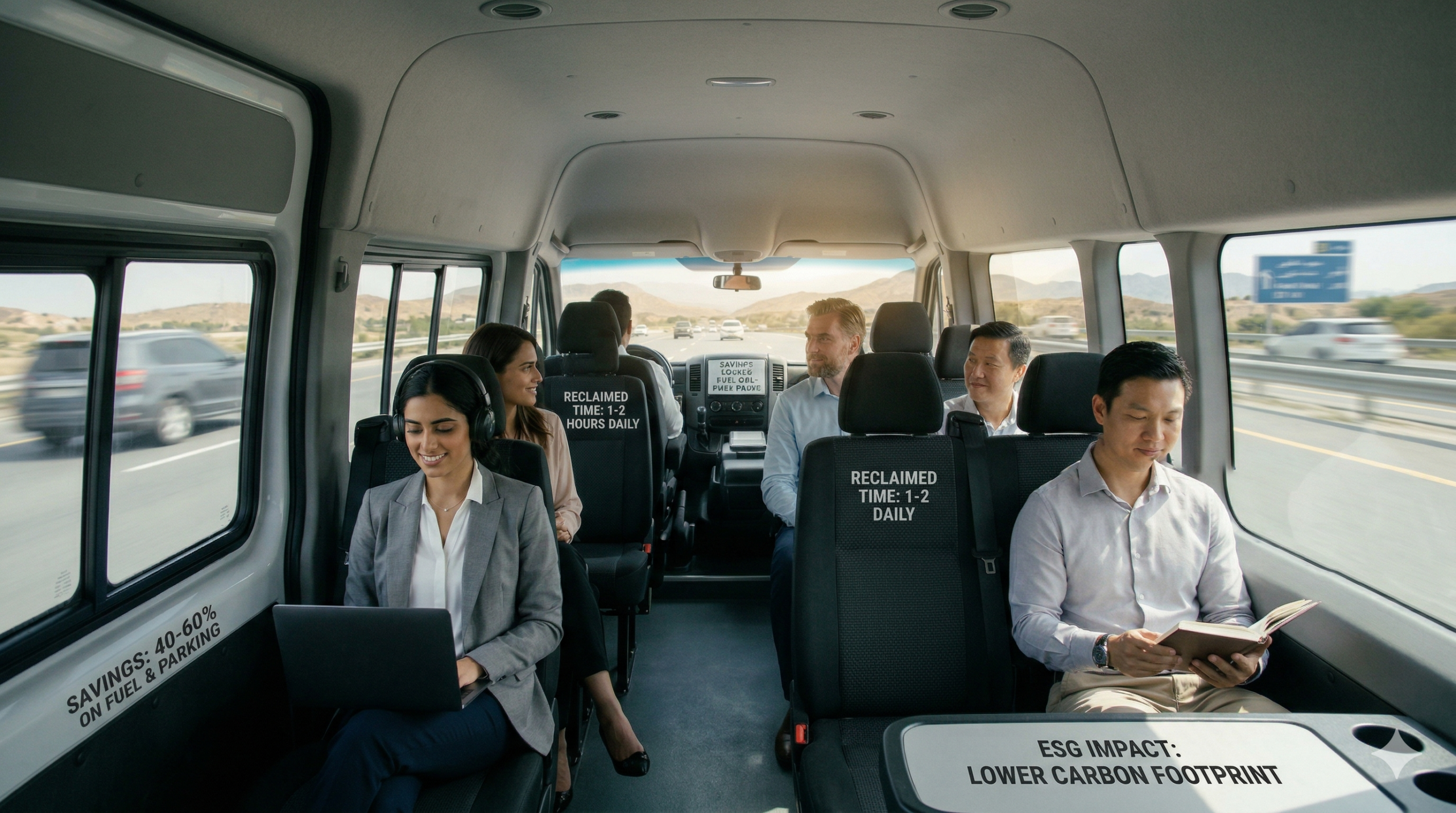
Corporate travelers fundamentally misprice their own time. I constantly review procurement audits where finance teams applaud saving forty dirhams a day on a cheaper rental tier, entirely ignoring the four hours of combined executive downtime wasted on vehicle retrieval and return. When assessing mobility solutions, you must calculate the aggregate hourly rate of the passengers. If I have three senior engineers whose combined billing rate exceeds two thousand dollars an hour, losing ninety minutes at a rental facility costs the firm three thousand dollars in pure productivity hemorrhage.
Utilizing a car lift pick and drop service dubai converts dead transit time into active operational time. The vehicle arrives at the hotel parking podium exactly when required. The keys are handed over by a uniformed dispatcher. The digital walk-around inspection takes exactly three minutes via a timestamped application. We execute the contract digitally and drive away. The efficiency gains compound massively across a multi-day itinerary.
Furthermore, Dubai operates on a distinct geographical sprawl. The distance from the dense commercial hubs of DIFC to the industrial zones of JAFZA or the residential developments of Dubai South requires seamless personal transport. Relying purely on ride-hailing applications becomes a chaotic gamble during peak hours or sudden weather anomalies. Having dedicated assets delivered directly to your operational base provides a necessary layer of strategic autonomy. I learned this lesson harshly during Gulfood three years ago. Trying to flag a taxi or secure an Uber surge alongside hundred thousand other attendees at the World Trade Centre is a tactical nightmare. Pre-positioning a dedicated fleet through a car lift pick and drop service dubai insulated my team from that chaos completely.
Operational Logistics: How High-End Dispatch Works
I spent two weeks auditing the backend dispatch centers of premium fleet operators in Al Quoz to understand their margin structures. The level of predictive routing involved is staggering. It completely shatters the illusion of a simple delivery model. To execute a flawless car lift pick and drop service dubai, operators rely on advanced telematics and real-time traffic integrations. They track incoming flight trajectories, monitor RTA traffic anomalies on Sheikh Zayed Road, and deploy delivery drivers dynamically. I observed a dispatcher rerouting a Range Rover delivery from a Palm Jumeirah hotel to a downtown restaurant mid-transit because the client’s lunch meeting ran long. This requires a highly localized knowledge of Dubai’s specific choke points, such as the Hessa Street interchange during the evening rush or the Al Khail road bottlenecks.
The logistics chain involves chase cars. A delivery agent cannot simply drop a vehicle and walk back to headquarters. They operate in tandem, utilizing secondary logistics vehicles to retrieve the delivery drivers once the asset is handed over to the client. Managing this intricate ballet of human resources and high-value physical assets dictates the premium pricing model of these services. Yet, when executed correctly, it is virtually invisible to the end user. The McKinsey mobility analytics reports frequently highlight this invisible operational layer as the defining factor between adequate consumer transport and premium corporate mobility. My empirical observations align perfectly with that assessment.
Navigating the Regulatory Framework for UAE Fleet Management
Operating a commercial fleet in the United Arab Emirates involves navigating a stringent and highly regulated environment. This is absolutely necessary for public safety, but it creates high barriers to entry that filter out amateur operators. Every vehicle integrated into a car lift pick and drop service dubai must adhere strictly to the Roads and Transport Authority (RTA) guidelines. These regulations mandate specific commercial registration, rigorous annual safety inspections, and age limits on the fleet. A standard passenger vehicle typically cannot operate under a commercial rental license after it passes a certain operational lifespan, usually four to five years depending on the classification. This guarantees that when I request a vehicle delivery, I am receiving a modern, mechanically sound machine, not a depreciated liability.
Toll integration adds another layer of complexity. Dubai utilizes the Salik toll gateway system. Unlike traditional rentals where you might be shocked by a massive toll invoice weeks after your departure, premium delivery services manage this via pre-loaded operational accounts. The vehicle arrives with a fully active Salik tag, and the digital contract ties directly to your registered credit card for transparent, immediate billing. During the vehicle handover, the exact RTA Salik ledger is often displayed via the provider’s mobile application, ensuring absolute transparency. I mandate this level of digital integration for all my corporate mobility contracts. Anything less introduces accounting friction that my team frankly does not have the bandwidth to manage.
Demystifying the Insurance Layers During Handover
The physical handover of a vehicle is the point of maximum liability transfer. I have witnessed amateur travelers sign a paper clipboard without glancing at the vehicle, only to be hit with spurious damage charges days later. This is where the structural integrity of a premium car lift pick and drop service dubai proves its worth. The modern delivery standard requires a cryptographic, timestamped digital inspection. The dispatch agent walks around the vehicle recording a continuous high-definition video, highlighting any pre-existing micro-abrasions on the alloy wheels or stone chips on the front fascia. This video is immediately uploaded to the cloud and appended to your rental agreement. I never accept a vehicle without this digital receipt.
You must actively manage your insurance tiers. The baseline mandatory coverage in the UAE is third-party liability. This is legally required but strategically insufficient. I invariably specify a comprehensive Collision Damage Waiver (CDW) with a zero-deductible rider for all corporate deployments. Navigating the dense traffic of Sheikh Mohammed bin Zayed Road occasionally results in minor cosmetic damage. Having a zero-deductible policy eliminates the tedious negotiation process over minor scratches during the return pick-up phase. The delivery agent simply arrives at your hotel, conducts a final walk-around to ensure structural integrity, accepts the keys, and departs. The psychological relief of this frictionless departure process cannot be overstated.
The Corporate Strategy: Long-Term Leases vs. Spot Rentals
Analyzing the financial architecture of vehicle procurement reveals fascinating arbitrage opportunities. For expatriates arriving in Dubai for short to medium-term contracts, purchasing a vehicle outright is an aggressive capital misallocation. The depreciation curve on European luxury vehicles in this specific climate is brutal. You face a twenty percent drop in asset value the moment you drive out of the showroom, compounded by the localized wear and tear of extreme summer temperatures. I consistently advise my clients to utilize long-term agreements through a car lift pick and drop service dubai instead. This converts a depreciating capital expenditure into a clean, predictable monthly operating expense.
When establishing these corporate mobility structures, the flexibility to swap vehicles is a crucial advantage. If an executive requires a practical sedan for daily commuting to Media City, but needs a seven-seater SUV for a visiting delegation over the weekend, a sophisticated provider manages this swap effortlessly. The new vehicle is delivered to the executive’s villa in Emirates Hills, and the sedan is retrieved simultaneously. This asset fluidity is impossible if you own the fleet outright. The Dubai Department of Economy and Tourism data reveals a massive surge in this exact type of flexible, hybrid corporate residency, demanding matching mobility solutions.
Case Study: Seamless Cross-Emirate Operations
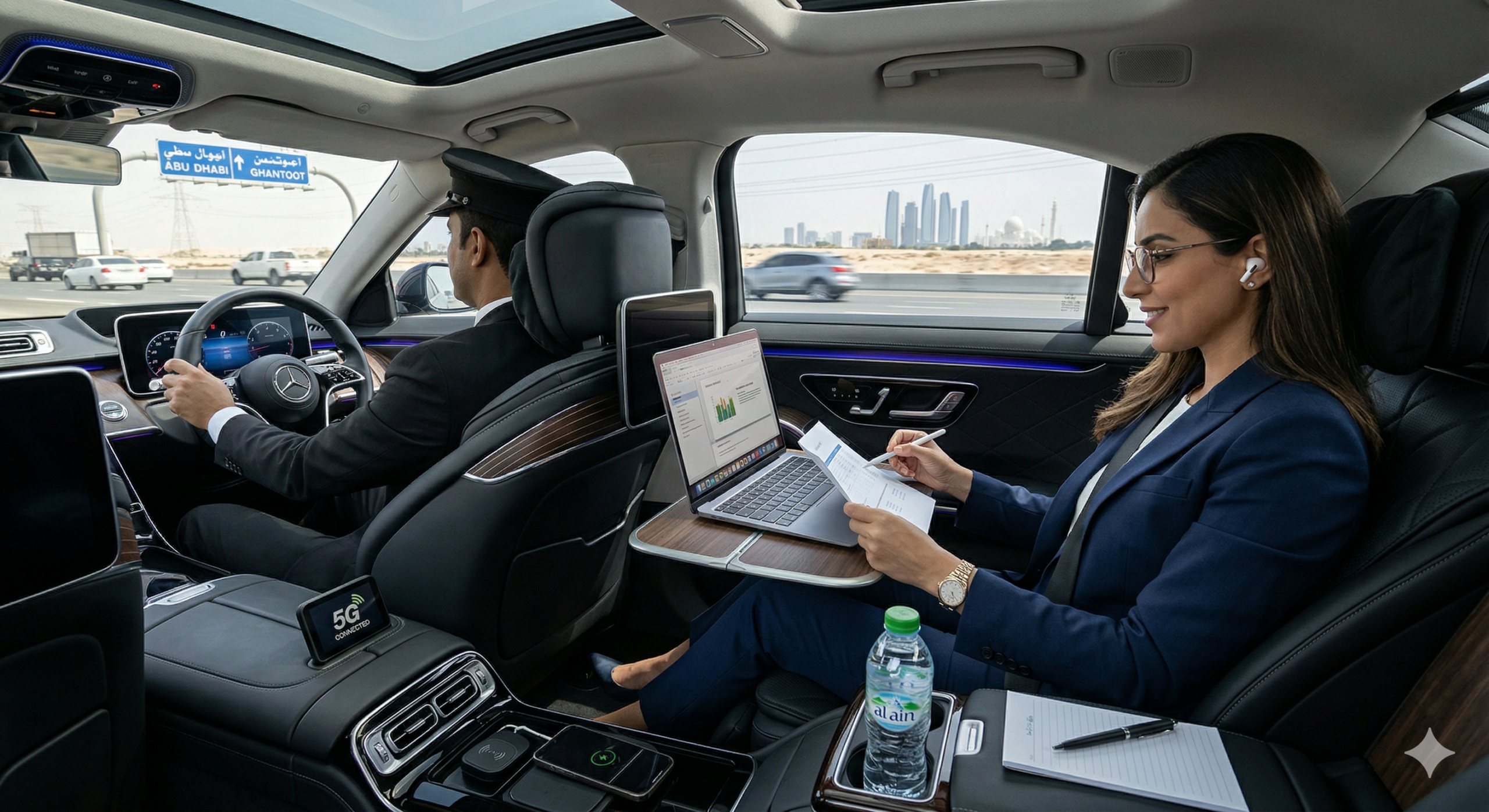
Last November, I orchestrated the logistics for a private equity roadshow spanning both Dubai and Abu Dhabi. The schedule required multiple daily transits between the commercial districts of both emirates. Relying on piecemeal transport solutions was tactically impossible. We required a dedicated fleet of executive vehicles that could be deployed instantly. The friction point usually involves moving the vehicles between the emirates efficiently without exhausting the core team. We utilized a specialized car lift pick and drop service dubai that offered seamless cross-border logistics. The vehicles were delivered to our hotel in Downtown Dubai on Monday morning. On Thursday evening, after our final meetings in Al Maryah Island, the provider dispatched retrieval teams directly to our Abu Dhabi hotel to collect the fleet, allowing our executives to head straight to Zayed International Airport without driving the vehicles back to Dubai.
When structuring these corporate contracts, particularly those bridging the major emirates, I frequently coordinate with platforms like Car Lift Dubai Abu Dhabi to guarantee seamless cross-border logistics. The ability to drop an asset in a different emirate without incurring astronomical repositioning fees is a hallmark of a mature, well-capitalized fleet operator. This specific capability saved our roadshow approximately twelve hours of cumulative driving time, allowing the executives to prepare for their next meetings rather than staring at highway markers.
Technological Innovations in Keyless Handover
The physical key fob is rapidly becoming a relic of legacy mobility. The most advanced operators I audit are migrating toward entirely keyless, smartphone-based access protocols. This fundamentally alters the dynamics of a car lift pick and drop service in Dubai. Instead of coordinating a specific meeting time with a dispatch driver, the vehicle is delivered to your designated parking bay at a predetermined time. The digital key is then securely transferred to your mobile device via an encrypted application. You simply walk up to the vehicle, unlock it with your phone, and drive away. I tested this system extensively during a recent deployment in Business Bay.
The security architecture behind these platforms is formidable. The digital key token expires precisely at the end of the contracted rental period. If an extension is required, the smart contract is updated in the cloud, and the token is instantly refreshed. This eliminates the archaic process of physically returning to a branch office to sign extension paperwork. Operationally speaking, this digital transition reduces the overhead for the fleet operator, allowing them to redeploy those human resources into vehicle maintenance and quality control rather than simple key delivery. It is a brilliant optimization of human capital.
Financial Accounting for Corporate Delivery Contracts
The implementation of Corporate Tax in the UAE has necessitated a severe tightening of expense auditing. Vague transportation receipts scribbled on paper carbon copies are no longer acceptable for compliance purposes. This is another area where modern vehicle delivery networks excel. When engaging a top-tier car lift pick and drop service dubai, the entire financial lifecycle of the transaction is digitally recorded. The initial invoice, the exact breakdown of Salik toll charges, municipal parking fees accrued during the rental, and any fuel discrepancies are consolidated into a single, tax-compliant digital ledger.
I require my procurement teams to integrate these mobility platforms directly into our primary accounting software via API wherever possible. This ensures that a vehicle delivered to an architect at a construction site in Jumeirah Village Circle generates an automated expense line item linked directly to that specific project code. The finance department never touches a physical piece of paper. The reduction in administrative overhead easily covers the premium cost associated with the delivery mechanism. If you are still manually reconciling travel expenses at the end of the month, your operational framework is obsolete.
Evaluating Fleet Variety for Car Lift Pick and Drop Service Dubai Needs
The spectrum of vehicles required for corporate operations in the UAE is unusually broad. A single project might require heavy-duty pick-up trucks for site surveys in the desert outskirts, standard sedans for junior staff commuting, and high-end luxury saloons for client entertainment. Sourcing these from different specialized vendors creates an absolute nightmare of disparate contracts and unaligned delivery schedules. I specifically target vendors who maintain a highly diversified central fleet. When assessing a car lift pick and drop service dubai, the depth of their inventory is a critical metric. I need the assurance that if an S-Class requires emergency maintenance, an exact equivalent can be dispatched to my location within sixty minutes as a replacement.
Maintenance protocols are rigorous in this environment. The extreme thermal load during the summer months degrades synthetic rubber compounds in tires and stresses cooling systems to their absolute limits. I explicitly interrogate fleet managers about their maintenance cycles. A premium operator does not wait for a component to fail. They utilize predictive maintenance, pulling vehicles from active circulation based on strict mileage or operational hour thresholds. The vehicle delivered to your driveway must be mechanically flawless. If I spot worn tire treads or hear a strained air conditioning compressor during the handover inspection, I reject the delivery immediately. The top-tier operators respect this standard and rarely fail the test.
Sustainability: EVs in the Pick and Drop Market
The transition toward electric vehicles introduces fascinating new variables into the delivery equation. The infrastructure in Dubai is expanding rapidly, but range anxiety remains a valid psychological hurdle for expatriates unfamiliar with the local charging network. Deploying EVs via a car lift pick and drop service dubai requires absolute precision regarding battery state-of-charge. The vehicle must arrive at the client’s location with a minimum ninety percent charge. Delivering an EV with a depleted battery completely defeats the purpose of a convenience service.
We are currently piloting EV deployments for our short-haul urban logistics. The silent operation and instant torque provide a superior driving experience within the stop-and-go traffic of the marina district. The dispatch operators manage the charging logistics on the backend. When the rental period concludes, the retrieval driver collects the vehicle and routes it immediately to a high-speed DC charging node before returning it to the central holding facility. This cyclical charging methodology shields the end user from the infrastructural friction of finding a vacant charger. As the charging network density increases, I anticipate this will become the default mobility standard for urban corporate deployments.
Final Assessment on Strategic Mobility
Refining how your organization moves human capital through a complex urban environment yields massive, compounding dividends. The reliance on static, branch-based vehicle procurement is a tactical error that bleeds productivity. By shifting to a dynamic delivery model, you force the logistics network to conform to your schedule, rather than subordinating your operational tempo to their administrative delays. The localized expertise, the strict regulatory compliance, and the digital integration of these modern dispatch networks create an impenetrable argument for their adoption. I have dismantled our legacy transportation contracts entirely. Integrating a responsive car lift pick and drop service in Dubai into our baseline operational procedures remains one of the most effective structural optimizations I have executed. The raw numbers validate the strategy, and the psychological relief of frictionless transit cements it as a permanent policy.