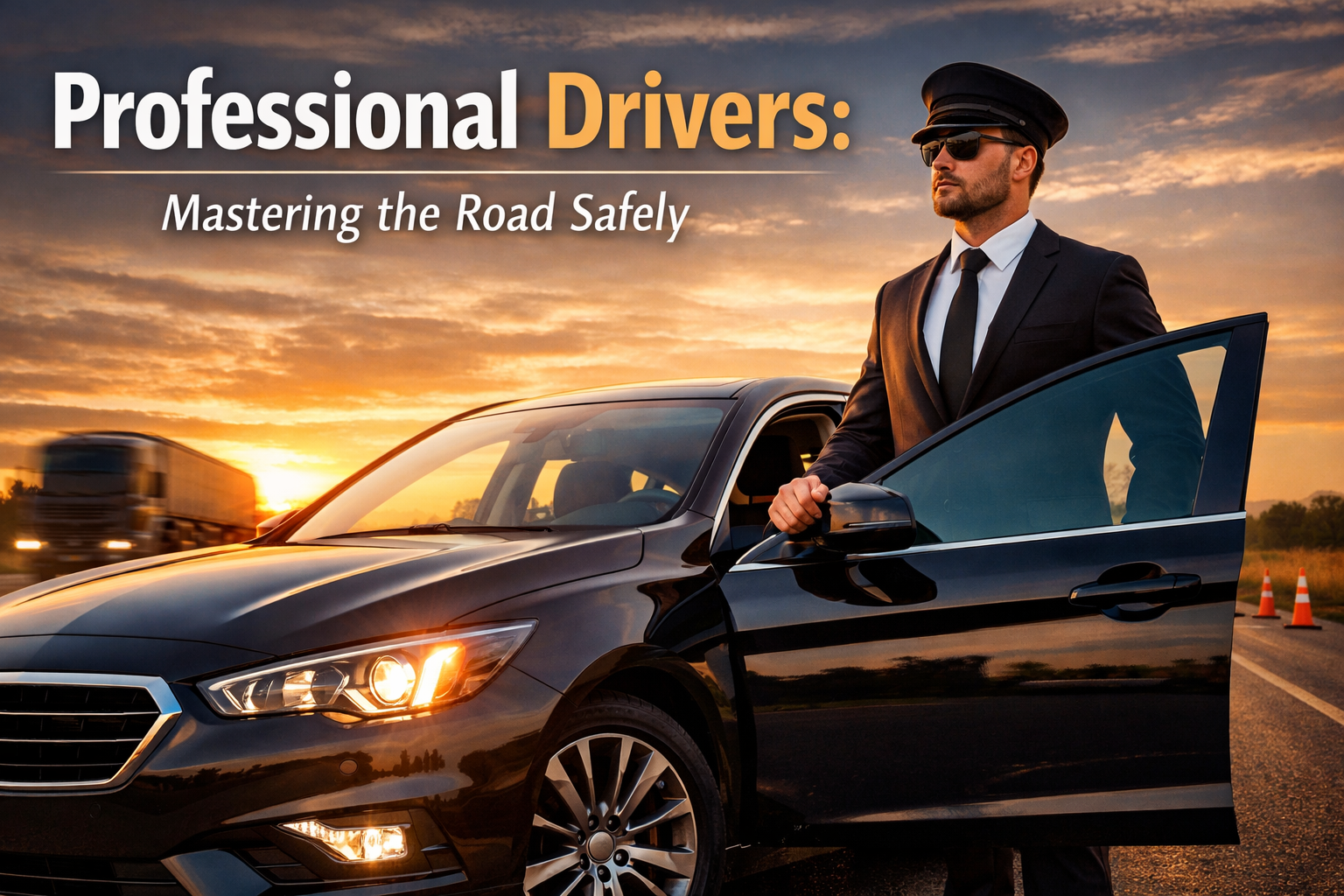
Professional Drivers: Mastering the Road Safely and Efficiently
The backbone of global commerce and a vital component of local services, professional drivers are far more than individuals who simply operate a vehicle. Indeed, they represent a highly skilled workforce, indispensable to the smooth functioning of economies worldwide. This comprehensive guide will explore the multifaceted world of professional driving, delving into the skills, training, challenges, and profound impact these dedicated individuals have on our daily lives. Therefore, understanding their role is crucial.
Defining Professional Drivers: More Than Just a License
At its core, a professional driver is someone who operates a motor vehicle for commercial purposes. However, this definition barely scratches the surface. These individuals are entrusted with transporting goods, passengers, or specialized equipment, often over long distances and under varying conditions. Consequently, their responsibilities extend well beyond basic vehicle operation.
Key Characteristics
Professional drivers possess a unique blend of attributes. First, they demonstrate exceptional driving skills, navigating diverse terrains and weather. Moreover, they maintain an unwavering commitment to safety, prioritizing the well-being of their cargo, passengers, and fellow road users. Furthermore, reliability and punctuality are paramount, as delays can have significant economic repercussions. Finally, they often exhibit strong problem-solving abilities, handling unexpected situations with composure and efficiency.
1. Introduction: The Role of Professional Drivers
Professional drivers play a critical role in keeping our roads safe and ensuring the smooth transport of goods and passengers. Beyond simply operating a vehicle, they combine skill, judgment, and responsibility to minimize accidents and delays. Mastering the road requires dedication, continuous learning, and adherence to safety standards.
2. Understanding the Responsibilities
A professional driver’s responsibilities go far beyond turning the steering wheel. They must maintain their vehicles, follow traffic regulations, plan routes efficiently, and remain vigilant at all times. These responsibilities ensure the safety of themselves, passengers, cargo, and other road users.
3. Importance of Training and Certification
Formal training and proper certification are essential for anyone pursuing a career in professional driving. Training programs provide knowledge about vehicle mechanics, defensive driving techniques, and handling emergency situations. Certification ensures that drivers meet legal and safety standards.
4. Defensive Driving Techniques
Defensive driving is the cornerstone of road safety. Professional drivers are trained to anticipate potential hazards, maintain safe following distances, and adapt to varying weather and traffic conditions. Such techniques significantly reduce the risk of accidents.
5. Vehicle Maintenance and Safety Checks
Regular vehicle maintenance is crucial for preventing mechanical failures that can cause accidents. Professional drivers conduct pre-trip inspections, check brakes, tires, lights, and other critical systems. Maintaining the vehicle in top condition is a responsibility that directly impacts road safety.
6. Managing Fatigue and Staying Alert
Long hours behind the wheel can lead to fatigue, which is a major cause of accidents. Professional drivers must recognize the signs of tiredness and take regular breaks. Proper rest, healthy nutrition, and mental alertness are key to staying safe on the road.
7. Navigating Challenging Conditions
Weather conditions, heavy traffic, and unfamiliar routes can present challenges. Skilled drivers learn to adjust speed, use safety equipment, and make informed decisions to navigate safely. Training in handling adverse conditions separates good drivers from great ones.
8. Communication and Road Etiquette
Professional drivers also rely on effective communication, whether using signals, radio devices, or interacting with other drivers. Respecting road etiquette, signaling intentions, and showing patience in traffic contribute to a safer environment for everyone.
9. Technology and Safety Tools
Modern vehicles are equipped with technology that enhances safety, such as GPS navigation, collision warning systems, and dashcams. Professional drivers embrace these tools to monitor driving conditions and improve efficiency without compromising safety.
10. Conclusion: The Path to Mastery
Mastering the road is an ongoing journey for professional drivers. It involves combining technical skills, awareness, responsibility, and continuous learning. Those who commit to safety, training, and professionalism set the standard for others and ensure a secure journey for all road users.
11. Stress Management on the Road
Professional driving can be stressful, especially in congested traffic or when facing tight delivery schedules. Effective stress management techniques, such as deep breathing, taking short breaks, and maintaining a positive mindset, help drivers remain calm and make better decisions under pressure.
12. Adapting to Different Vehicle Types
Different vehicles require different handling skills. From trucks and buses to vans and specialized vehicles, professional drivers must adapt their driving techniques to suit the size, weight, and capabilities of each vehicle, ensuring safety for themselves and others.
13. Legal Knowledge and Compliance
Understanding traffic laws, road regulations, and transport policies is essential for professional drivers. Compliance not only prevents fines and legal issues but also promotes a safer driving environment, reducing the risk of accidents caused by violations.
14. Emergency Preparedness
Professional drivers are often the first line of defense during emergencies. Whether it’s a vehicle breakdown, sudden medical issue, or an accident on the road, being prepared with first-aid knowledge, emergency contacts, and proper equipment can save lives and prevent further hazards.
15. The Role of Ethics and Responsibility
Ethical behavior is as important as technical skill. Professional drivers must act responsibly, avoid risky maneuvers, respect traffic rules, and consider the welfare of others on the road. Integrity and accountability are key traits that distinguish truly professional drivers.
16. Continuous Learning and Skill Development
The best professional drivers never stop learning. Regular training updates, workshops, and staying informed about new technologies and road regulations help them maintain peak performance. Continuous learning ensures they remain safe, efficient, and confident in all driving situations.
17. Understanding Road Psychology
Professional drivers benefit from understanding road psychology—how drivers, pedestrians, and cyclists behave under various circumstances. Anticipating human behavior helps prevent collisions, reduce road rage incidents, and foster a safer driving environment.
18. Fuel Efficiency and Eco-Friendly Driving
Modern professional drivers also focus on fuel efficiency and environmentally responsible driving. Techniques like smooth acceleration, maintaining steady speeds, and proper route planning reduce fuel consumption and carbon footprint while promoting long-term vehicle health.
19. Handling Cargo and Passenger Safety
For drivers transporting goods or passengers, safety extends beyond the road. Properly securing cargo, checking weight distribution, and ensuring passenger comfort are critical to prevent accidents, damage, or injuries during transit.
20. Building a Professional Reputation
Reliability, punctuality, and professionalism help drivers build trust with employers, clients, and the public. A strong professional reputation often leads to career advancement, repeat business, and greater respect in the industry.
21. Adapting to Technological Advancements
The driving industry is rapidly evolving with autonomous systems, telematics, and advanced driver-assistance systems (ADAS). Skilled drivers must adapt to new technology while maintaining control, using it as a tool to enhance safety rather than relying on it entirely.
22. Dealing with Road Hazards
Road hazards like potholes, construction zones, or erratic drivers require quick thinking and decision-making. Professional drivers develop the ability to assess risks instantly, choose safe alternatives, and communicate hazards to other road users when necessary.
23. Importance of Peer Learning and Mentorship
Learning from experienced drivers is invaluable. Peer mentoring, sharing experiences, and observing others’ techniques help professional drivers refine their skills, stay motivated, and gain insights that formal training alone cannot provide.
24. Lifelong Commitment to Safety
Ultimately, mastering the road safely is a lifelong commitment. Professional drivers understand that skill, vigilance, and ethical behavior must be maintained every day. Dedication to safety not only protects lives but also elevates the standards of the entire driving profession.
Conclusion
In conclusion, professional drivers are the unsung heroes of our modern world, facilitating everything from global trade to local deliveries. Their role demands a complex blend of technical skill, unwavering dedication to safety, robust problem-solving abilities, and a commitment to continuous learning. As technology evolves, so too will the demands on these professionals, yet their fundamental importance remains constant. Understanding and appreciating the intricate work of professional drivers highlights their indispensable contribution to society, ensuring that goods reach their destinations and people arrive safely, every single day.
want to read more articles click here.
all credit goes to UDM.
Frequently Asked Questions (FAQ)
Q1: What is the main difference between a regular driver and a professional driver?
A1: The primary distinction lies in purpose and responsibility. A regular driver typically operates a vehicle for personal use. In contrast, a professional driver operates a vehicle for commercial purposes, transporting goods or passengers, and is subject to stricter regulations, licensing requirements, and often specialized training. Moreover, their livelihood depends on their driving skills and adherence to professional standards.
Q2: What are some common career paths for professional drivers?
A2: Professional drivers have diverse career paths. Common roles include long-haul truck drivers (OTR), local delivery drivers, bus drivers (city, school, charter), taxi or ride-share drivers, courier drivers, emergency vehicle operators, and specialized transport drivers (e.g., hazardous materials, oversized loads, luxury vehicles). Each path requires specific training and certifications.
Q3: How important is continuous training for professional drivers?
A3: Continuous training is extremely important for professional drivers. It ensures they stay updated on new regulations, safety protocols, vehicle technologies, and best practices. This ongoing education helps them maintain high safety standards, improve efficiency, adapt to industry changes, and ultimately enhances their career longevity and effectiveness on the road.