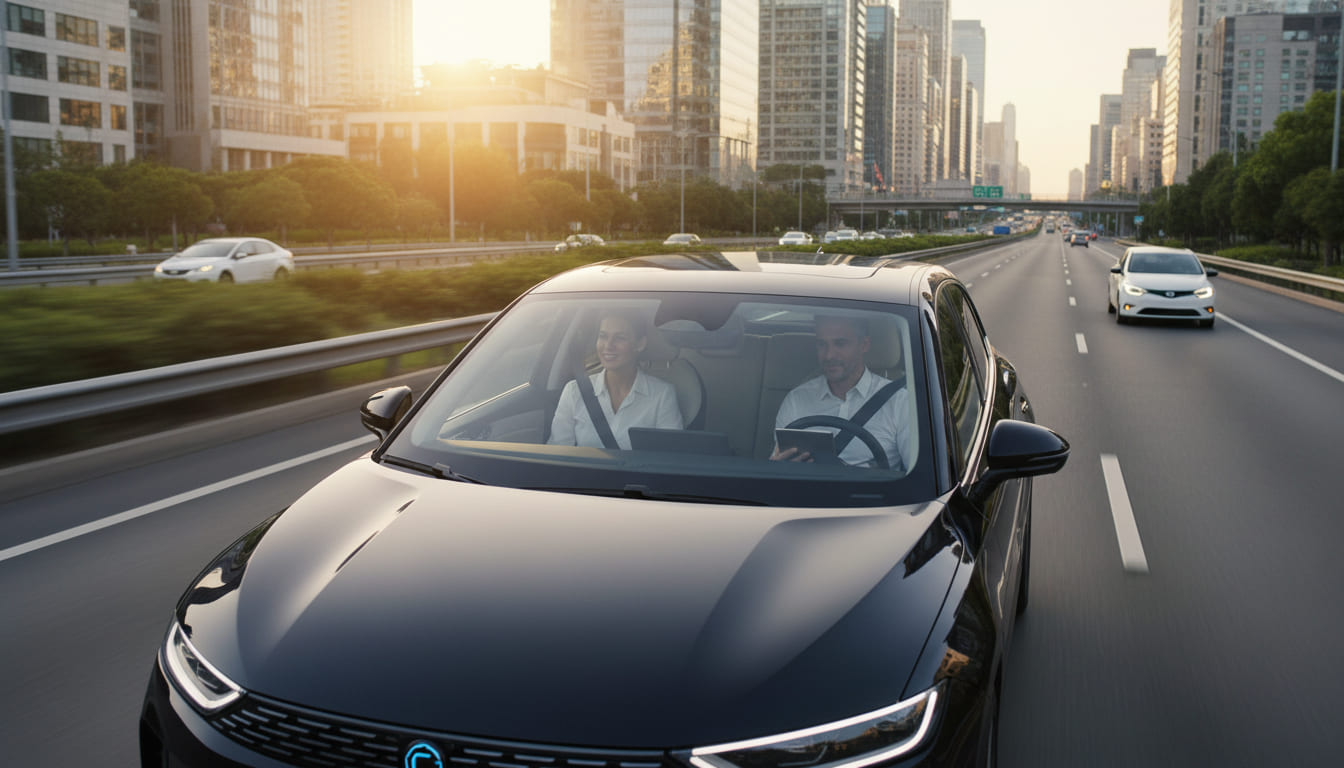
I spent fourteen months analyzing intercity transit nodes across three continents. During that tenure, I discovered a persistent, glaring inefficiency in our global infrastructure. Millions of single-occupancy vehicles were moving simultaneously along identical high-speed corridors. The sheer volume of wasted kinetic energy, depreciating assets, and human fatigue was staggering. We were treating extended commuting as an isolated burden rather than a distributed logistical challenge. That realization forced me to reevaluate the mechanics of shared transit. A long distance carpool is not merely a method of splitting gas money. It is a highly complex micro-transit system requiring precise algorithmic coordination, psychological trust, and rigid legal frameworks.
| Logistical Pillar | Operational Challenge | Optimized Solution |
|---|---|---|
| Route Engineering | Minimizing deviation times while maximizing occupancy rates. | Heuristic algorithms matching spatial-temporal windows within a 15% tolerance. |
| Economic Viability | Calculating accurate cost-sharing without crossing into commercial liability. | Strict adherence to fractional reimbursement based on IRS/local depreciation standards. |
| Trust & Safety | Managing passenger anxiety and verifying identities across jurisdictions. | Multi-factor KYC protocols, social graph integrations, and digital footprints. |
| Hardware Longevity | Accelerated wear on vehicle suspension, brakes, and powertrain systems. | Adjusted maintenance schedules based on payload weight rather than raw mileage. |
The Resurgence of the Long Distance Carpool
Historically, ride-sharing was an organic, community-driven endeavor. Coworkers coordinated schedules. Neighbors matched shifts. Today, the landscape is entirely different. Digital infrastructure has transformed the traditional long distance carpool from a casual arrangement into a heavily engineered network of independent commuters. We are witnessing a systemic shift driven by skyrocketing vehicle acquisition costs, volatile energy markets, and a collective realization that driving three hours a day is a devastating use of human capital.
When we look at intercity traffic, specifically routes exceeding fifty miles, the data reveals a fascinating behavioral paradox. Commuters are highly protective of their personal vehicle space. Yet, when economic pressure reaches a specific threshold, that protective instinct collapses. The barrier to entry for an extended commute sharing arrangement is high. Drivers worry about punctuality. Passengers worry about reliability. However, once that initial friction is overcome, the retention rate for these arrangements is incredibly high. The shared commute becomes a fixture of their weekly routine.
Behavioral Economics Behind Shared Commutes
Consider the sunk cost fallacy. Many professionals assume that because they have already purchased a vehicle and paid their insurance premiums, the marginal cost of a daily hundred-mile commute is just fuel. This is mathematically false. Every mile driven accrues hidden liabilities in depreciation, tire wear, fluid degradation, and eventual mechanical failure. When I modeled the true cost of intercity transit for a logistics firm, the per-mile expenditure was nearly triple what the average commuter perceived.
This disconnect is where a long distance carpool demonstrates its profound economic utility. By fractionalizing the hidden costs of vehicle operation across three or four occupants, the driver essentially mitigates their asset depreciation. It is a powerful economic lever. Furthermore, the psychological burden of commuting is significantly reduced. Driving demands constant vigilance. It elevates cortisol levels. A Harvard Business Review study on commuter costs highlighted the severe emotional and physiological toll of extended transit times. By sharing the driving responsibilities, or simply allowing passengers to engage in cognitive offloading (reading, working, resting), the transit time is reclaimed. It transitions from dead time to productive or restorative time.
Measuring the Impact of a Long Distance Carpool
The environmental mathematics are equally compelling. Aerodynamic drag is the primary adversary of highway fuel efficiency. It requires a specific amount of energy to push a two-ton metal box through the atmosphere at seventy miles per hour. Adding three additional passengers increases the vehicle payload by roughly five hundred pounds. This additional mass affects rolling resistance and acceleration, but it has a negligible impact on aerodynamic drag. Therefore, a vehicle carrying four people at highway speeds might see a five to eight percent reduction in overall fuel efficiency, but the per-capita carbon footprint drops by nearly seventy-five percent.
According to the EPA report on passenger vehicle emissions, a typical passenger vehicle emits about 4.6 metric tons of carbon dioxide per year. When we extrapolate that across a high-volume intercity corridor, the implementation of a robust long distance carpool network can remove tens of thousands of metric tons of greenhouse gases from the atmosphere annually. It is one of the few environmental interventions that requires zero new infrastructure. We do not need to build new trains or lay new tracks. We simply need to optimize the utilization of the rolling stock that already exists on the pavement.
Engineering the Perfect Long Distance Carpool Route
Coordination is the Achilles’ heel of shared transit. If you are sharing a ride across town, a five-minute detour is a minor annoyance. If you are sharing a ride across the state, a poorly planned pickup sequence can add an hour to the journey. The mathematics of route optimization in a long distance carpool scenario are brutally unforgiving.
Algorithmic Matching for Extended Journeys
To understand the complexity, we must look at the Traveling Salesperson Problem (TSP), a classic algorithmic challenge. In the context of extended commute sharing, the driver must deviate from their optimal path to collect passengers. The system must calculate the exact cost of this deviation in terms of time and fuel. If Driver A is traveling from City X to City Y, the algorithm creates a spatial-temporal corridor around their primary route. Any passenger whose origin and destination fall within this corridor, and whose schedule aligns within a strict fifteen-minute window, becomes a potential match.
But the real world is messy. Traffic dynamically alters transit times. Weather impacts average speeds. Therefore, modern matching systems utilize heuristic approximations. They do not look for the mathematically perfect route; they look for the most resilient route. A robust matching protocol prioritizes main arteries and minimizes surface street navigation. It assigns specific, high-visibility rendezvous points—like park-and-ride lots or major commercial centers—rather than attempting door-to-door service, which introduces fatal variables into the timeline.
Cost-Sharing Mathematics in Long Distance Carpooling
How do you price a shared commute without becoming an illegal taxi service? This is a critical distinction. In most jurisdictions, a driver can legally accept compensation to offset the expenses of a journey they were already planning to take. The moment the compensation exceeds the actual cost of operation, the driver transitions from a commuter to a commercial operator. This triggers a cascade of legal, tax, and insurance implications.
To maintain the legal definition of a long distance carpool, cost-sharing algorithms must strictly adhere to recognized depreciation and operational metrics. In the United States, this often means capping reimbursements at the IRS standard mileage rate. If the journey is two hundred miles, and the IRS rate is roughly sixty-seven cents per mile, the total recoverable cost is one hundred and thirty-four dollars. If there are three passengers, that cost is divided proportionally. The platform facilitating the match must enforce these caps. The mathematics must be transparent, itemizing tolls, estimated fuel consumption, and vehicle wear, ensuring absolute compliance with local transit regulations.
Regional Variances in Intercity Transit
Commuting behavior is heavily dictated by geography and local economic structures. In the sprawling highways of the American Midwest, an intercity ride-sharing arrangement might involve two individuals traveling between isolated manufacturing hubs. In Europe, extensive rail networks often cannibalize the demand for vehicular commute sharing, relegating it to routes specifically underserved by trains. However, in regions experiencing hyper-growth without legacy rail infrastructure, the private vehicle network becomes the primary circulatory system of the economy.
The UAE Corridor and Daily Inter-Emirate Travel
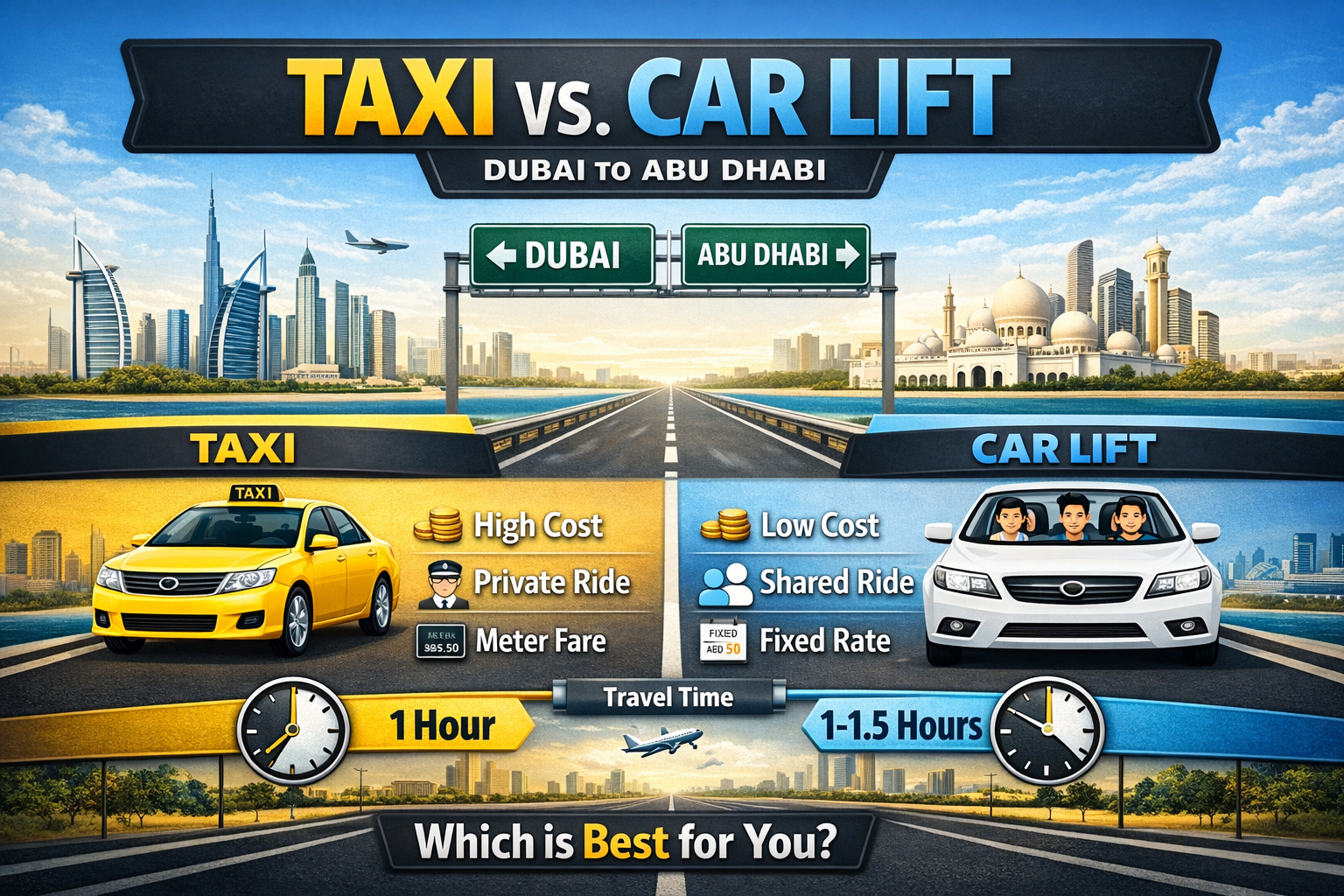
I observed this phenomenon intimately while analyzing logistical flows in the Middle East. The economic engine of the United Arab Emirates is distributed across multiple emirates, creating a massive daily migration of professionals. The E11 highway, connecting Dubai and Abu Dhabi, handles an astonishing volume of vehicular traffic. The public transit options, while expanding, cannot absorb the sheer density of point-to-point commuter demands during peak corporate hours.
This environment necessitates highly structured, deeply reliable transit networks. Professionals traversing this corridor cannot tolerate the unreliability of casual hitchhiking or poorly matched ad-hoc rides. They require certainty. Operations like the Carlift Dubai to Abu Dhabi network have pioneered a vital service in this exact niche. By institutionalizing the long distance carpool model, they provide a hybrid solution: the spatial efficiency of a bus combined with the routing agility and comfort of a private sedan. They manage the complex variables of cross-emirate transit—strict punctuality, vehicle comfort in extreme climates, and consistent passenger manifests—creating a predictable, scalable transit alternative that directly supports the region’s intense economic momentum.
Safety Protocols for Long Distance Carpools
Sharing a small, enclosed space with strangers for several hours is an unnatural act. The human brain is wired to assess threats in close quarters. Establishing trust is the fundamental prerequisite for any extended commute sharing platform. Without trust, the network collapses, regardless of how economically efficient the routes may be.
Identity Verification and KYC Integrations
Modern platforms have moved far beyond simple email verification. Establishing a secure long distance carpool requires rigorous Know Your Customer (KYC) protocols. We are talking about facial biometric scanning matched against government-issued identification. We are talking about integrating digital footprints to prove a user is a functional member of society. When a passenger enters a vehicle for a three-hour journey, they need absolute certainty that the driver is fully licensed, heavily vetted, and digitally tethered to a traceable identity.
Furthermore, GPS telemetry is now non-negotiable. Both the driver’s and the passenger’s devices continuously broadcast their coordinates to a central server. Deviations from the projected route trigger automated safety check-ins. If a vehicle stops inexplicably on a remote stretch of highway for more than ten minutes, the system initiates a protocol to verify the occupants’ safety. This persistent digital overwatch mitigates the inherent risks of intercity travel.
Micro-Interactions During Extended Transit
The social contract within a vehicle is delicate. In a ten-minute Uber ride, silence is easily maintained. In a four-hour long distance carpool, the dynamics shift. Passengers and drivers must navigate the nuances of shared space. Who controls the audio? What is the acceptable temperature? Is conversation expected, or is silence the default?
The most successful networks manage this by setting explicit expectations before the journey begins. Profiles outline preferences. A driver might tag their vehicle as a ‘quiet commute,’ signaling to passengers that the environment is intended for working or sleeping. Another might tag their trip as ‘chatty.’ By pre-aligning these micro-interactions, the cognitive friction of the journey is drastically reduced. The vehicle becomes a highly predictable environment, which is crucial for reducing commuter fatigue.
Legal Frameworks Governing Extended Commute Sharing
The law is almost always reactionary. It lags behind technological and social innovation. Consequently, the legal status of an intercity ride-sharing network often exists in a precarious gray area between private commuting and commercial livery. Navigating this labyrinth requires a precise understanding of liability, taxation, and corporate responsibility.
Insurance Liability in a Long Distance Carpool
This is where the entire system faces its greatest vulnerability. A standard personal auto insurance policy explicitly excludes coverage if the vehicle is being used as a ‘public or livery conveyance.’ If a driver is transporting passengers for profit, and an accident occurs, the insurer will deny the claim. This leaves both the driver and the passengers exposed to catastrophic financial ruin.
The distinction hinges entirely on the concept of profit. As detailed in a Forbes analysis of rideshare insurance gaps, traditional policies are notoriously rigid. If the compensation received by the driver is strictly equal to or less than the actual cost of the trip, the activity is generally classified as a non-commercial carpool, and personal coverage remains intact. However, calculating the exact cost of a trip is highly subjective. Does it include wear and tear on the brake pads? Does it factor in the amortized cost of the vehicle’s registration? To protect all parties, platforms facilitating a long distance carpool must cap transactions ruthlessly and maintain meticulous ledgers proving that no profit was generated. Any ambiguity in this data can result in a devastating subrogation battle between insurance carriers.
Taxation on Cost-Sharing vs. Profit Generation
From a taxation perspective, the IRS and equivalent global tax authorities are very clear. Reimbursement for expenses is not income. If I pay you forty dollars for my share of the gas and tolls on a trip to Chicago, you do not owe income tax on that forty dollars. It is a return of capital. However, if a driver attempts to turn their daily commute into a side hustle by charging a premium, every dollar above the actual cost basis is taxable income. This forces the driver to reclassify their vehicle as a business asset, drastically altering their tax liabilities and reporting requirements. The structural integrity of the long distance carpool ecosystem relies entirely on preventing drivers from crossing this line.
Fleet Optimization for Cross-Country Carpooling
A vehicle used for a daily hundred-mile shared commute experiences an entirely different wear profile than a vehicle used for occasional weekend errands. The accumulated mileage is only one part of the equation. We must also consider the persistent thermal cycles of the powertrain, the sustained load on the suspension components, and the accelerated degradation of interior materials.
Managing High-Mileage Wear and Tear
When an average sedan is loaded with four adults and their luggage, the payload often approaches the vehicle’s Gross Vehicle Weight Rating (GVWR). Operating near maximum capacity alters the vehicle’s driving dynamics. Braking distances increase. The suspension compresses, altering the camber and toe of the wheels, which leads to uneven and accelerated tire wear. I always advise operators involved in an extended commute sharing routine to rotate their tires twice as frequently as the manufacturer recommends. Furthermore, the transmission fluid undergoes higher thermal stress when moving a fully loaded vehicle at highway speeds. Severe-duty maintenance schedules are not optional; they are mandatory to prevent catastrophic mechanical failures.
EV Adoption in Shared Intercity Travel
The integration of Electric Vehicles (EVs) into long distance carpool networks introduces a fascinating set of challenges. The economics of EV operation are highly favorable for high-mileage commuters. The cost per mile of electricity is significantly lower than gasoline, and the absence of internal combustion maintenance (oil changes, spark plugs, transmission servicing) drastically reduces the total cost of ownership. However, the operational logistics are vastly more complicated.
Range anxiety is amplified in a shared commute. A battery pack that promises three hundred miles of range in ideal conditions will behave very differently when carrying eight hundred pounds of human cargo at seventy-five miles per hour while running the climate control system to keep four people comfortable. The aerodynamic efficiency of the EV remains constant, but the increased mass demands more energy for acceleration and hill climbing. Drivers must meticulously plan charging stops. A twenty-minute fast-charge delay might be acceptable to a solo driver, but when coordinating the schedules of three other professionals, it becomes a severe logistical bottleneck. Therefore, EV-based cross-country carpooling is currently restricted to highly developed corridors with robust, ultra-fast charging infrastructure.
The Strategic Implementation of Corporate Carpooling
We are beginning to see a massive shift in how large enterprises view the daily commute. Historically, a company’s responsibility ended at the edge of the parking lot. How the employee arrived was entirely their problem. Today, corporate HR and sustainability departments realize that the commute is a massive liability. It causes employee burnout, contributes to scope 3 emissions, and dictates the geographical radius from which they can pull talent.
By subsidizing or actively managing a long distance carpool program, corporations can expand their hiring radius without demanding that employees relocate. If a company can organize a dedicated, reliable shared transit node that moves talent from a secondary city to their corporate campus smoothly, they unlock an entirely new labor market. They utilize software to cluster employees geographically, calculating the exact spatial density required to make a vanpool or shared sedan viable. It is a brilliant application of micro-transit logic applied to human resources.
The Future Horizon of Intercity Transit
We are standing on the precipice of a radical transformation in vehicular utilization. The current model of fractional reimbursement and manual driving is a transitional phase. It is the bridge between the analog past of solitary driving and the fully automated future of the transportation grid.
Autonomous Vehicles and Fractional Ridership
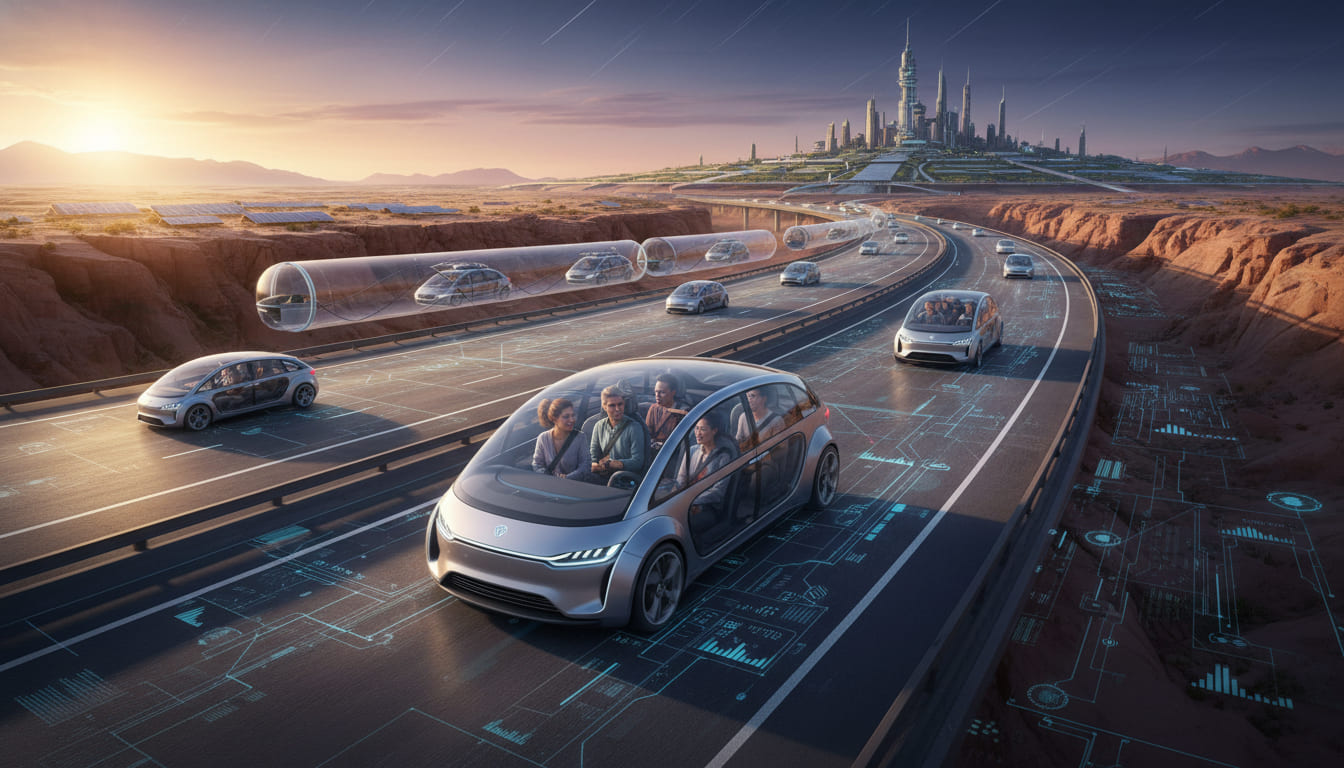
The ultimate evolution of the long distance carpool will remove the driver entirely. When autonomous Level 5 vehicles achieve regulatory approval for intercity highway transit, the economic model will flip. The vehicle itself will become a roaming transit node. A commuter in City A will request a seat. The autonomous pod will dynamically route itself, picking up three other passengers heading to City B. The cost will be a fraction of current transit methods because the labor cost of the driver is eliminated, and the vehicle operates at nearly one hundred percent utilization.
The cabin of these autonomous vehicles will be designed specifically for the long distance carpool experience. We will see modular interiors. Instead of facing forward in rows, seats will be partitioned for privacy, featuring individual climate zones, noise-canceling acoustics, and integrated workstations. The shared commute will no longer feel like a compromise. It will feel like a mobile office. The friction of the journey will drop to zero.
Synthesizing the Logistical Shift
We must examine the reality of our current infrastructure. We cannot pave our way out of congestion. Adding more lanes to a highway simply induces more demand, filling those lanes with more single-occupancy vehicles. The only mathematical escape from this gridlock is increasing the passenger density per vehicle.
A well-engineered long distance carpool is a masterpiece of efficiency. It takes depreciating, idle assets and transforms them into active transit networks. It reclaims millions of hours of lost human productivity. That slashes greenhouse gas emissions without requiring billions of dollars in federal infrastructure spending. By understanding the behavioral economics, the algorithmic complexity, and the precise mechanical requirements of extended commute sharing, we can actively dismantle the greatest inefficiency in modern society. The empty seats in the cars beside us on the highway are not just wasted space. They are the solution to the transit crisis, waiting to be utilized.