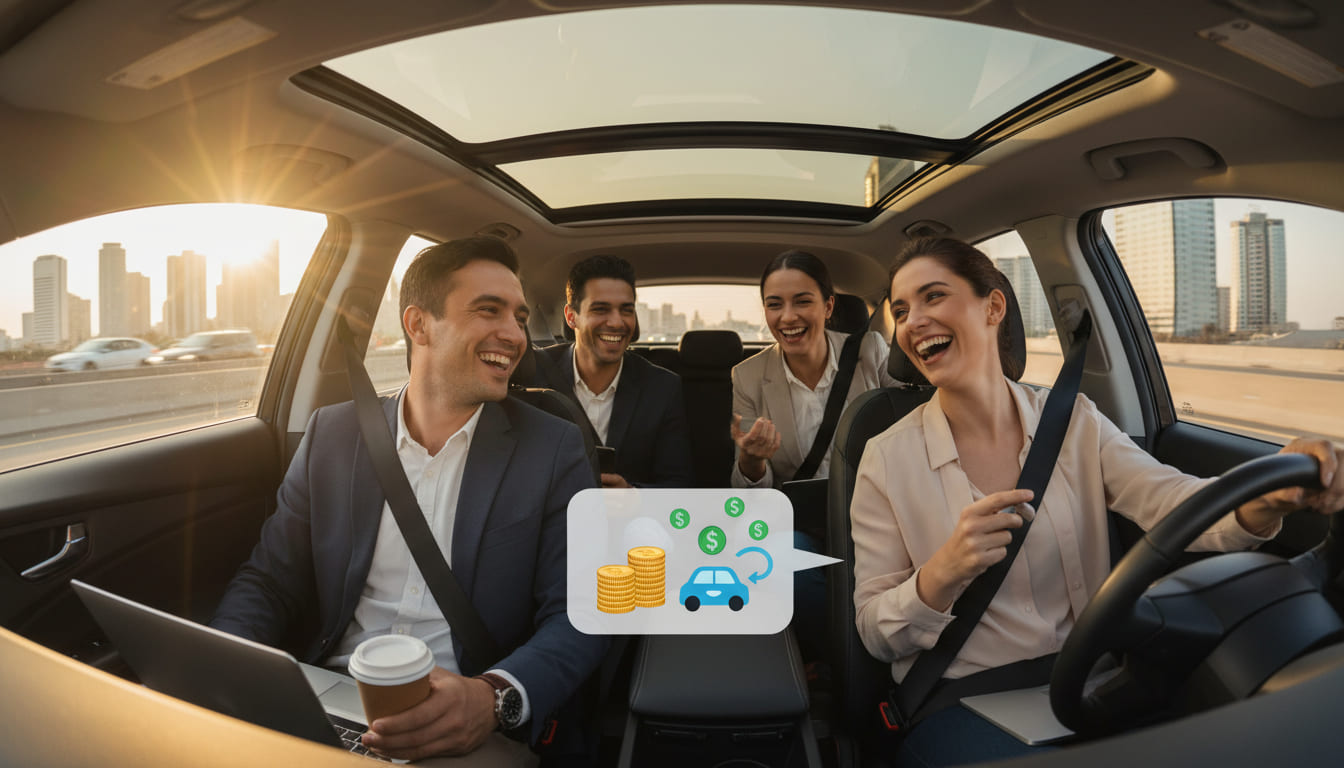
Three years ago, I stood on the roof of a suburban corporate parking garage at 7:00 AM, holding a clipboard and a thermal camera. My firm had been hired to audit the logistical waste of a mid-sized technology company. What I witnessed was a staggering parade of isolation: three hundred vehicles rolling into the complex, each hauling roughly two tons of steel, glass, and a single occupant. The financial bleed happening right before my eyes was astronomical. It forced me to rethink the sheer mechanics of our daily transit and realize why deciding to car pool to work remains one of the most underutilized economic levers available to the modern professional.
Executive Summary: Commuter Efficiency Metrics
| Metric | Solo Commuter | Shared Commute (3 Pax) | Net Impact |
|---|---|---|---|
| Annual Commute Cost (Avg) | $4,500 | $1,500 | 66% Reduction |
| Carbon Footprint (Tons/Yr) | 4.6 | 1.53 | 3.07 Tons Saved |
| Reported Commute Stress | High (Cortisol Peak) | Low/Moderate | Measurable Wellbeing Gain |
| Vehicle Depreciation | Accelerated (15k miles/yr) | Decelerated (5k miles/yr) | Retained Asset Value |
The Hidden Economics When You Car Pool To Work
The true cost of driving alone is rarely calculated with accuracy by the average employee. We glance at the price of fuel and occasionally grumble at a service invoice, but the underlying financial erosion runs much deeper. To understand the macroeconomic shift that occurs when groups consolidate their transit, we have to perform a ruthless autopsy on the solo commute.
Let us begin with depreciation. Vehicles are depreciating assets that lose value based heavily on mileage. A standard calculation assumes 15,000 miles per year, heavily weighted by the back-and-forth grind of Monday through Friday. When you split driving duties three ways, you immediately slash your commute-induced depreciation by roughly sixty-six percent. Over a five-year holding period, this translates to thousands of dollars in retained equity when the vehicle is eventually sold or traded. We also must factor in shadow costs. These include accelerated tire wear, brake pad degradation, increased frequency of oil changes, and elevated insurance premiums for high-mileage drivers.
Fuel, Depreciation, and Shadow Costs
Fuel acts as the most visible tax on the solo commuter. Even with the advent of hybrid and electric vehicles, the energy required to move a localized mass across a sprawling metropolitan grid requires capital. By centralizing the energy expenditure, we achieve a micro-economy of scale. You are essentially distributing the fixed and variable costs of asset operation across multiple stakeholders. I spent six months mapping these exact shadow costs for a logistics white paper, and the findings were stark: the solo commuter is effectively subsidizing the infrastructure for everyone else, absorbing maximum financial punishment for minimal convenience.
Corporate Tax Incentives for Commuting Together
Organizations are waking up to this reality, albeit slowly. Smart enterprise leaders recognize that employee financial stress directly impacts productivity. If an employee is burning ten percent of their net income simply arriving at their desk, their compensation effectively shrinks, leading to higher turnover rates and demands for salary adjustments. Many tax jurisdictions now offer tangible incentives for companies that formalize shared mobility. By establishing pre-tax transit accounts or directly subsidizing the effort to car pool to work, businesses reduce their payroll tax burdens while simultaneously giving their workforce a shadow raise. It is a highly efficient financial maneuver. Companies avoid wage inflation while effectively putting money back into the pockets of their staff through structural cost avoidance.
Psychological Friction vs. Ridesharing Rewards
The transition from the sanctuary of the home to the demands of the office is a critical liminal space. For decades, the solo drive was romanticized as a period of decompression—a private pod where one could listen to the radio and mentally prepare for the day. The reality, however, is significantly darker. Urban congestion has transformed this supposed sanctuary into an intermittent stress engine. Research published by the Harvard Business Review suggests that unpredictable commute times are directly correlated with sharp spikes in morning cortisol levels, arriving employees in a state of defensive hostility before they even open their inbox.
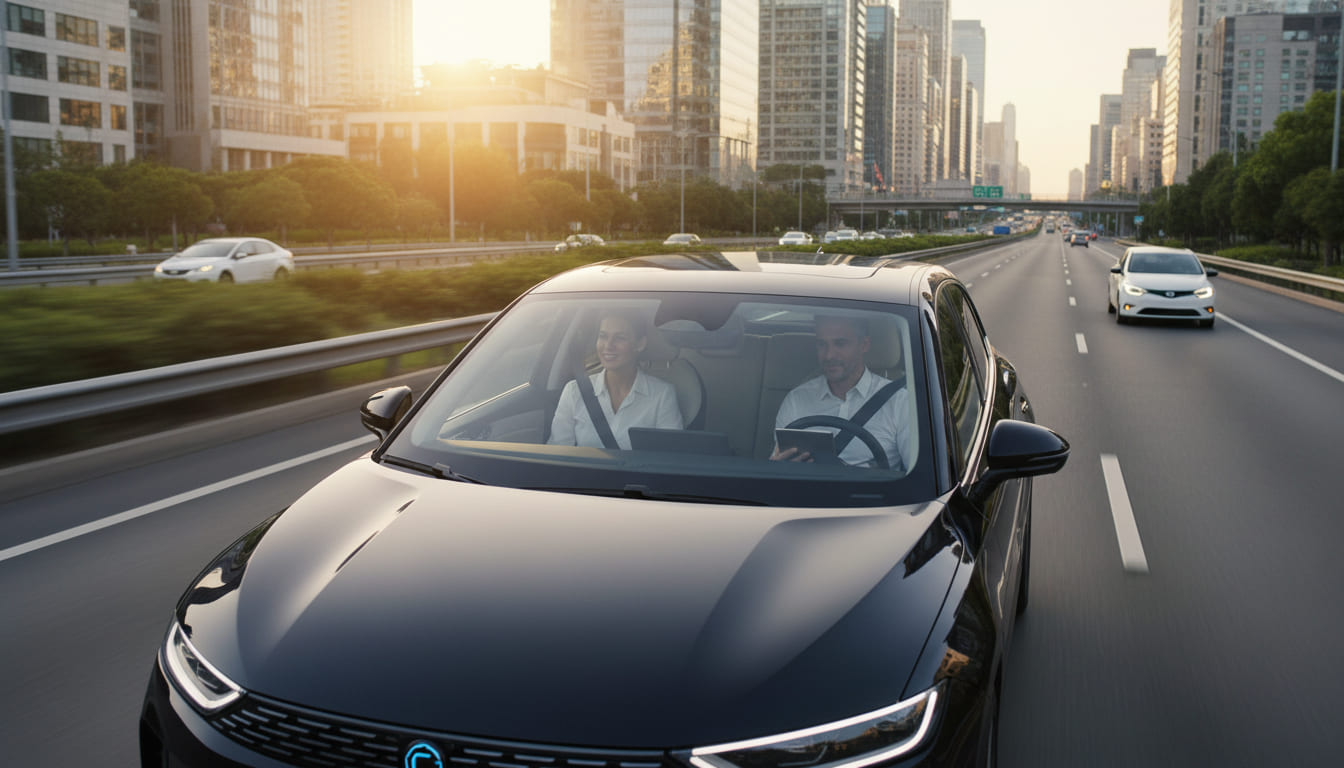
I once interviewed a cohort of software engineers who spent ninety minutes each way in gridlock. Their primary complaint was not the loss of time, but the unpredictability of it. The constant vigilance required to navigate hostile traffic drains cognitive reserves. Sharing the driving responsibilities drastically alters this dynamic. When you are a passenger, the cognitive load shifts entirely. You can read, clear trivial emails, or simply rest. The physical manifestation of this stress reduction is profound.
Overcoming the Personal Space Barrier in Office Carpools
Despite the obvious benefits, the primary resistance to sharing a ride is the perceived invasion of personal space. Human beings are territorial, and the automobile is an extension of our private domain. Bringing colleagues into that domain feels, to many, like an unnatural blending of the personal and professional spheres. Overcoming this requires structured boundaries. The most successful arrangements I have observed operate with explicit, often unspoken, rules of engagement. Some groups observe a ‘quiet commute’ where headphones are standard and conversation is strictly optional. Others use the time for unstructured team bonding, effectively starting the workday collaboration before reaching the building.
The key to neutralizing the personal space barrier is removing the social obligation to entertain. When I helped a regional bank set up their internal transit network, we explicitly included a ‘Commuter Bill of Rights’ that normalized silence. Once employees understood that joining a vehicle did not require them to perform socially for forty-five minutes, participation rates skyrocketed. The friction dissolved the moment the expectations were clarified.
Infrastructure and Policy: How Cities Force the Shift
We cannot discuss modern transit without examining the macro forces applied by urban planners. Municipalities are quietly declaring war on the single-occupancy vehicle. They are out of space. You cannot build your way out of congestion by simply adding lanes; the phenomenon of induced demand dictates that more asphalt simply invites more cars until gridlock is achieved once again. Instead, cities are utilizing friction to alter behavior.
This friction takes the form of aggressive congestion pricing, the deliberate reduction of downtown parking inventory, and the conversion of general traffic lanes into high-occupancy toll (HOT) lanes. The World Economic Forum frequently highlights how forward-thinking metropolitan areas are restructuring their economic incentives to prioritize density over individual convenience. Driving alone is becoming a luxury service, priced accordingly.
The E11 Corridor: A Case Study in Transit
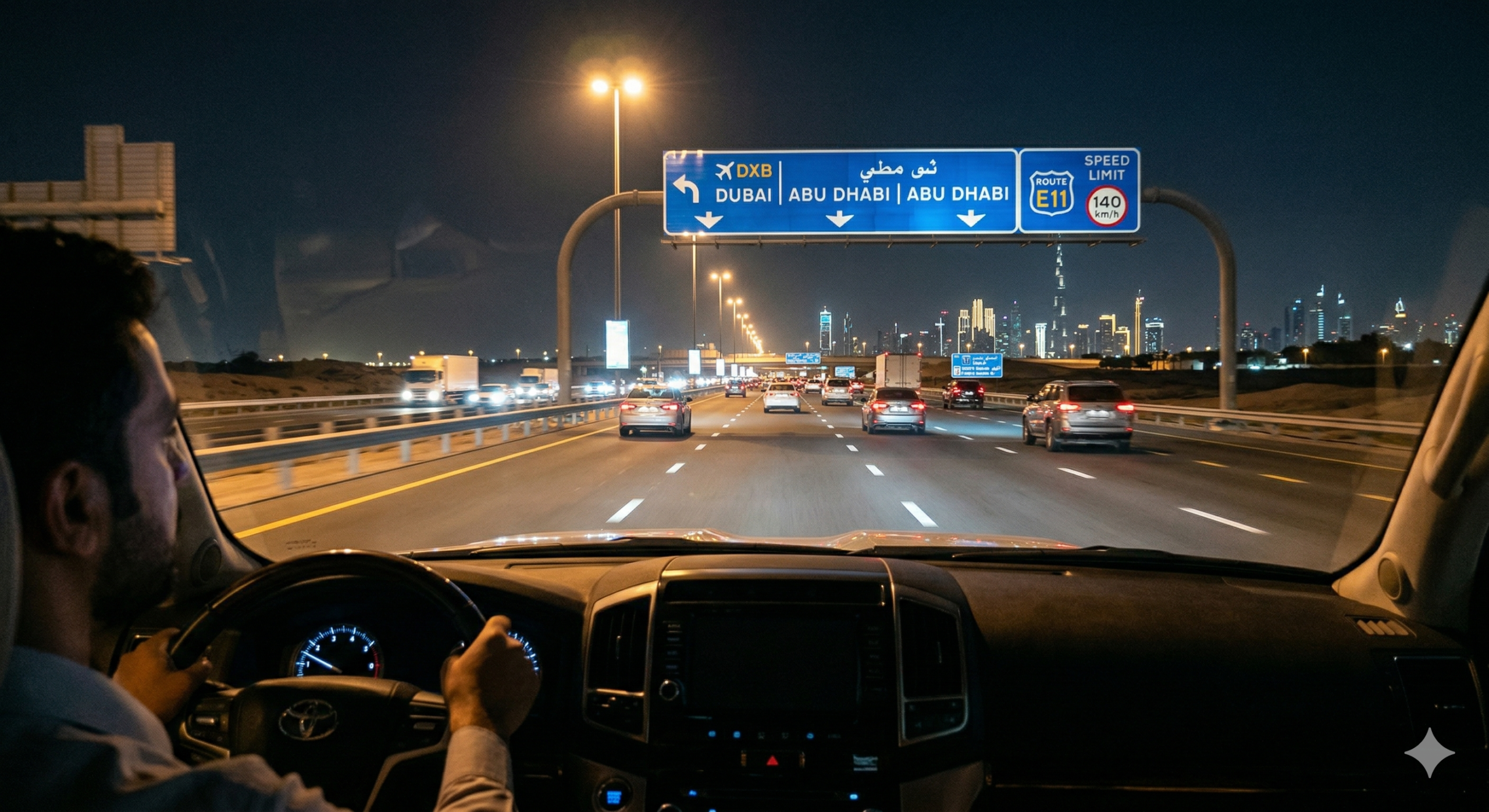
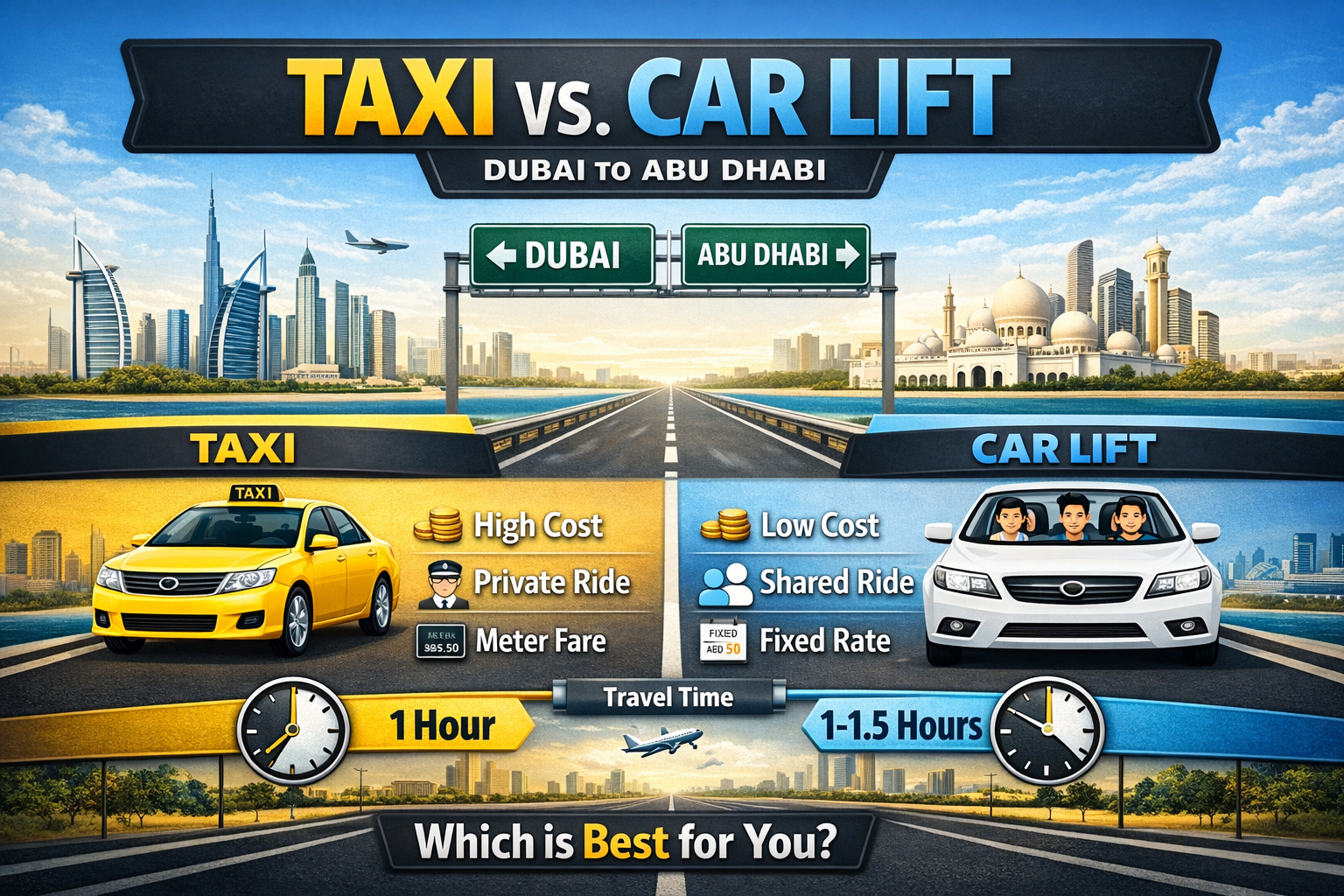
Consider regions experiencing hyper-growth, where economic hubs are separated by vast stretches of highway. The commute between Dubai and Abu Dhabi is a prime example of this phenomenon. The E11 highway serves as a vital artery, carrying tens of thousands of professionals daily between their residences in one emirate and their offices in the other. The sheer volume of this daily migration creates profound logistical challenges. It is an environment where the solo commute borders on masochism due to the distance and potential for delay.
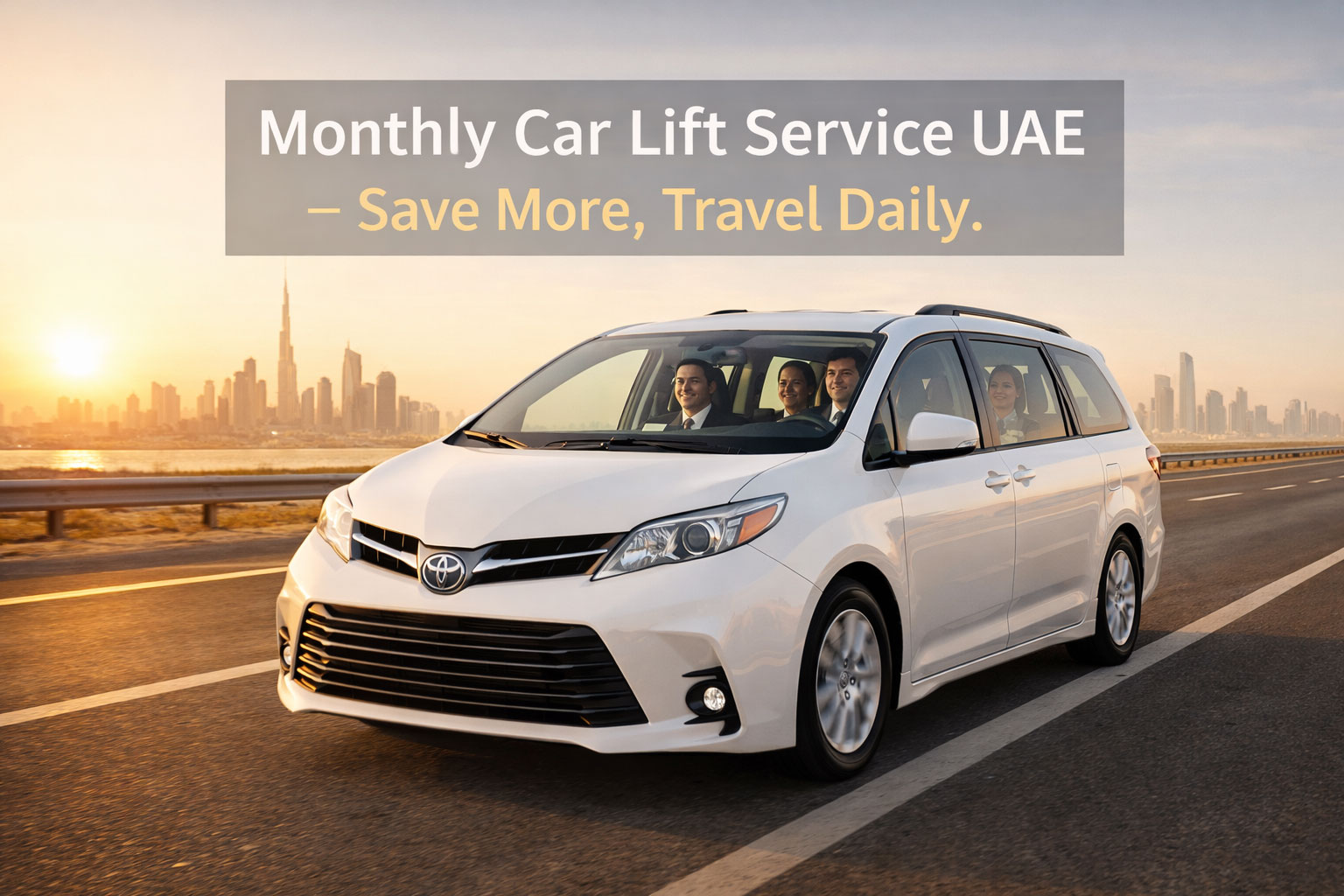
In corridors like this, specialized mobility solutions have emerged. For professionals making this exact journey, utilizing a dedicated car pool to work service transforms a grueling, high-friction endeavor into a predictable, manageable routine. Rather than fighting fatigue on a long desert highway, commuters outsource the cognitive load. They reclaim hours of their lives every week. This isn’t merely about saving fuel; it is about preserving human capital across massive geographical divides. When you examine the operational efficiency of these specific inter-city routes, the argument for solitary driving collapses entirely.
Implementing a Scalable Corporate Ridesharing Program
For a business to truly capitalize on these dynamics, relying on employees to organically coordinate their travel is insufficient. Ad-hoc arrangements fracture easily due to schedule changes, sickness, or interpersonal friction. A resilient system requires institutional backing. I advise clients to treat employee commuting as an extension of corporate logistics. If you manage your supply chain with ruthless precision, why ignore the supply chain of your human talent?
The first phase of implementation is always data gathering. You must map the geographic distribution of your workforce. By applying spatial analysis to employee zip codes, you can identify natural clusters and transit corridors. In one engagement with a manufacturing plant, we discovered that forty percent of their shift workers lived within a three-mile radius of each other, yet less than five percent were sharing rides. The barrier was not geography; it was a lack of a centralized matching mechanism.
Structuring Your Office Car Pool Initiative
Building the initiative requires specific, actionable pillars. First, guarantee the ride home. The greatest fear of a passenger is being stranded at the office if an emergency arises or if the driver needs to leave unexpectedly. Companies must underwrite a ‘Guaranteed Ride Home’ program, reimbursing the cost of a taxi or rideshare app in such events. This acts as an insurance policy that drastically lowers the barrier to entry.
Second, incentivize the parking. Premium parking spaces nearest the building entrances should be exclusively reserved for high-occupancy vehicles. This is a zero-cost intervention for the company that provides highly visible, daily reinforcement of the desired behavior. When the solo driver has to walk a quarter-mile through the rain while the shared vehicle occupants step directly into the lobby, the psychological conditioning is powerful.
Third, implement technological matching. Utilizing internal apps or third-party platforms allows employees to find potential matches based on specific arrival and departure times, rather than relying on awkward bulletin board notices. The algorithm handles the friction of discovery, leaving the employees to simply confirm the logistics.
The Environmental Ledger: Beyond Carbon Credits
The environmental argument for consolidating our transit is well-documented, but the corporate application of this data is evolving rapidly. We are moving past the era where green initiatives were merely marketing exercises. The current regulatory environment is forcing strict accounting of carbon footprints, and this directly involves how employees reach the building.
The Environmental Protection Agency provides exhaustive data on the emissions profile of passenger vehicles, noting that the average passenger car emits approximately 4.6 metric tons of carbon dioxide per year. Multiply that by a workforce of a thousand people, and the localized environmental impact is immense. However, the calculation changes when we look through the lens of corporate responsibility reporting.
Tracking Employee Commute Emissions
Under current greenhouse gas accounting protocols, employee commuting falls under Scope 3 emissions. These are indirect emissions that occur in the value chain of the reporting company. As regulatory bodies globally tighten their reporting requirements, companies are suddenly highly motivated to shrink this number. Encouraging your workforce to car pool to work is no longer just a nice-to-have HR perk; it is a measurable strategy for reducing reported corporate emissions.
I worked with a European conglomerate last year that tied executive bonuses directly to the reduction of Scope 3 emissions. Suddenly, the C-suite was deeply invested in exactly how the administrative staff arrived on Tuesday mornings. They heavily subsidized shared transit options because it was mathematically cheaper to reduce emissions by altering the commute than by overhauling their physical manufacturing plants. The ledger demands efficiency, and idle seats in moving vehicles represent massive environmental inefficiency.
The Future of Urban Mobility
The trajectory of our transit networks points toward hyper-efficiency. The autonomous vehicle sector, despite its staggered rollout, is fundamentally geared toward shared fleets rather than individual ownership. The economic model of a self-driving car demands maximum uptime. A vehicle that drives you to the office and then sits idle in a concrete structure for nine hours is a failure of asset utilization.
We are transitioning toward a model of mobility as a service. In this framework, the act of commuting together isn’t a manual arrangement between coworkers; it is the default state of urban transit. Routing algorithms will dynamically group individuals traveling along similar vectors, optimizing pick-ups and drop-offs to minimize detour times. We are already seeing the precursors to this in advanced rideshare pooling options and micro-transit shuttles deployed in smart cities.
Integrating Corporate Carpool Services Daily
Until that autonomous future fully materializes, the bridge is structured, human-driven cooperation. We must systematically dismantle the cultural expectation that success equates to driving alone. The data proves otherwise. The financial savings are undeniable, the psychological benefits are proven, and the environmental mandates are becoming unavoidable.
By analyzing the mechanics of how we move, we unlock immediate, scalable improvements to our daily lives. Whether navigating the dense traffic of a western metropolis or traversing the sprawling E11 corridor in the UAE, the solution remains identical. Consolidate the journey. Share the cost. Reclaim the time. The infrastructure of the future will not accommodate the inefficiencies of the past, and adapting now provides a distinct competitive advantage for both the individual professional and the forward-thinking enterprise.