
UAE Shared Car Lift: The Ultimate Guide to Modern Commuting
The United Arab Emirates is a hub of innovation, luxury, and rapid urban development. As cities like Dubai, Abu Dhabi, and Sharjah continue to expand, the demand for efficient transportation solutions has skyrocketed. One of the most effective and sustainable ways to navigate this bustling landscape is through a UAE Shared Car Lift. This concept, often referred to as carpooling or ride-sharing, has evolved from a simple favor among friends into a sophisticated, tech-driven mobility solution that addresses economic, environmental, and social challenges.
The Evolution of Shared Mobility in the UAE
Historically, the UAE has been a car-centric society. The wide highways and high-quality infrastructure were designed primarily for private vehicle use. However, as the population grew, so did traffic congestion. To combat this, the government and private sectors began exploring shared mobility. A UAE Shared Car Lift is now a cornerstone of the nation’s strategy to create a more integrated and sustainable transport network. From the early days of informal arrangements to the current landscape of regulated apps, the journey has been transformative.
Why Choose a UAE Shared Car Lift?
Choosing to participate in a UAE Shared Car Lift offers a multitude of benefits that extend beyond just getting from point A to point B. It is a lifestyle choice that reflects a commitment to efficiency and community.
Significant Cost Savings
One of the primary motivations for residents to opt for a UAE Shared Car Lift is the financial advantage. Owning and maintaining a private vehicle in the UAE involves various costs, including fuel, insurance, registration, and regular maintenance. Additionally, daily commuters often face high costs from Salik (toll) gates. By sharing a lift, these expenses are split among several passengers, making the daily commute significantly more affordable. For many, this can result in saving thousands of dirhams annually.
Environmental Sustainability and Carbon Footprint
The UAE government has set ambitious goals for sustainability, including the UAE Net Zero by 2050 strategic initiative. A UAE Shared Car Lift plays a vital role in achieving these targets. By reducing the number of vehicles on the road, carpooling directly lowers the total carbon emissions produced by the transport sector. Fewer cars mean less exhaust, cleaner air, and a smaller ecological footprint for every participant.
Reducing Traffic Congestion
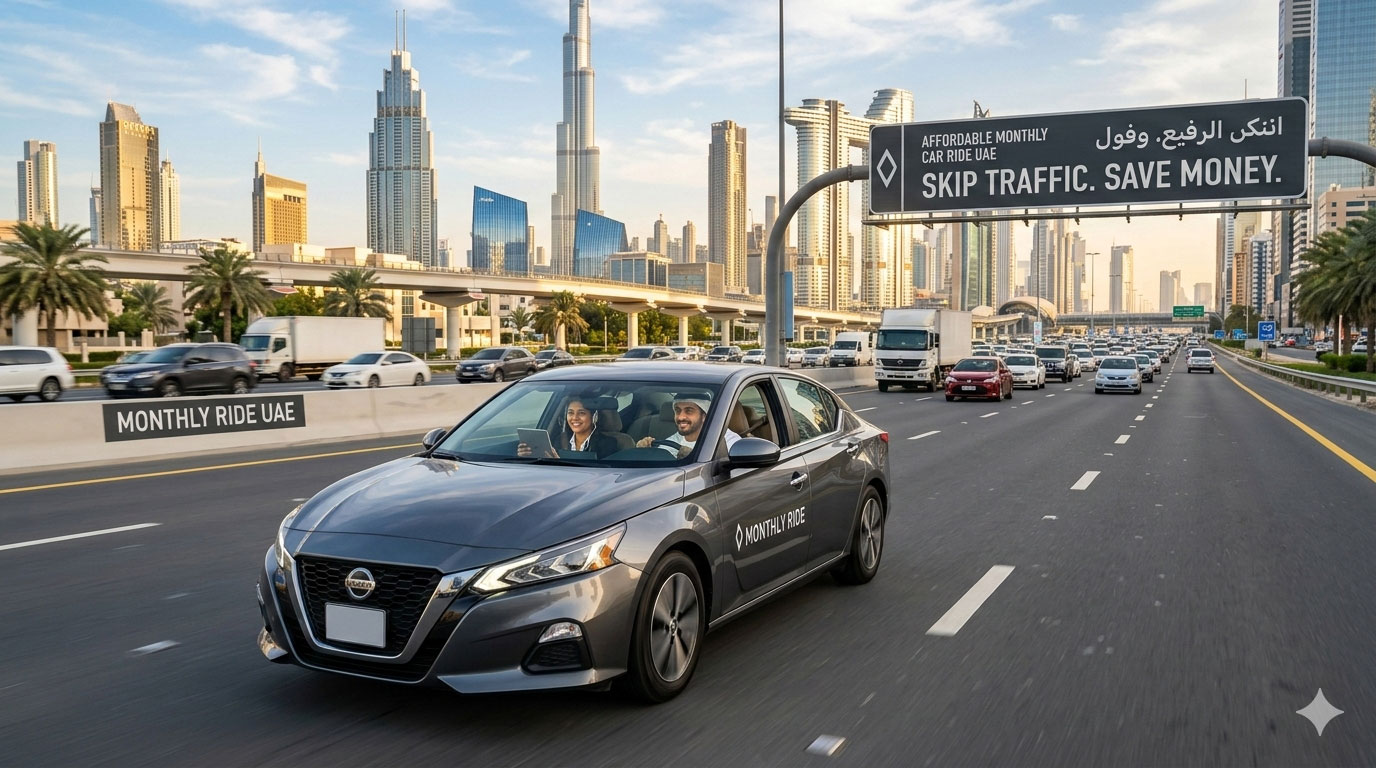
Anyone who has driven on Sheikh Zayed Road during peak hours knows the frustration of traffic jams. A UAE Shared Car Lift helps alleviate this issue by maximizing the utility of each vehicle. When four people share one car instead of driving four separate vehicles, they contribute to a noticeable reduction in traffic volume. This leads to smoother traffic flow, shorter travel times, and less stress for all road users.
Understanding the Legal Landscape
In the UAE, safety and regulation are top priorities. It is crucial to understand that a UAE Shared Car Lift must be conducted within the legal framework established by authorities like the Roads and Transport Authority (RTA) in Dubai and the Integrated Transport Centre (ITC) in Abu Dhabi. The government distinguishes between non-commercial carpooling and illegal taxi operations. To remain compliant, participants should use official platforms or follow specific guidelines that prohibit drivers from making a profit from the lift, allowing only for the reimbursement of actual costs like fuel and tolls.
Top Platforms for Shared Lifts in the UAE
Technology has made finding a UAE Shared Car Lift easier than ever. Several platforms have emerged to connect drivers with passengers, ensuring a seamless and secure experience.
-
RTA-Approved Initiatives: The RTA has historically supported various carpooling schemes aimed at reducing congestion. Always check their latest updates for approved digital platforms.
-
Corporate Carpooling Apps: Many large organizations in the UAE provide their employees with internal apps to facilitate ride-sharing among colleagues, fostering a sense of community while solving parking issues.
-
Global and Local Ride-Hailing Giants: While primarily for private hires, companies like Careem often explore ‘sharing’ or ‘pooling’ options that allow users to share a lift with others heading in the same direction for a lower fare.
Safety Tips for a UAE Shared Car Lift
Safety is paramount when sharing a vehicle with others. Whether you are the driver or the passenger, following these best practices ensures a secure UAE Shared Car Lift experience:
-
Use Verified Platforms: Only use apps that require identity verification for both drivers and passengers.
-
Communicate Through the App: Keep all communications within the platform’s messaging system to protect your privacy.
-
Share Your Trip Details: Always let a friend or family member know your route and the details of the vehicle you are in.
-
Check Vehicle Condition: For drivers, ensure your car is well-maintained. For passengers, don’t hesitate to cancel if a vehicle appears unsafe.
Encouraging Flexible and Adaptive Commuting
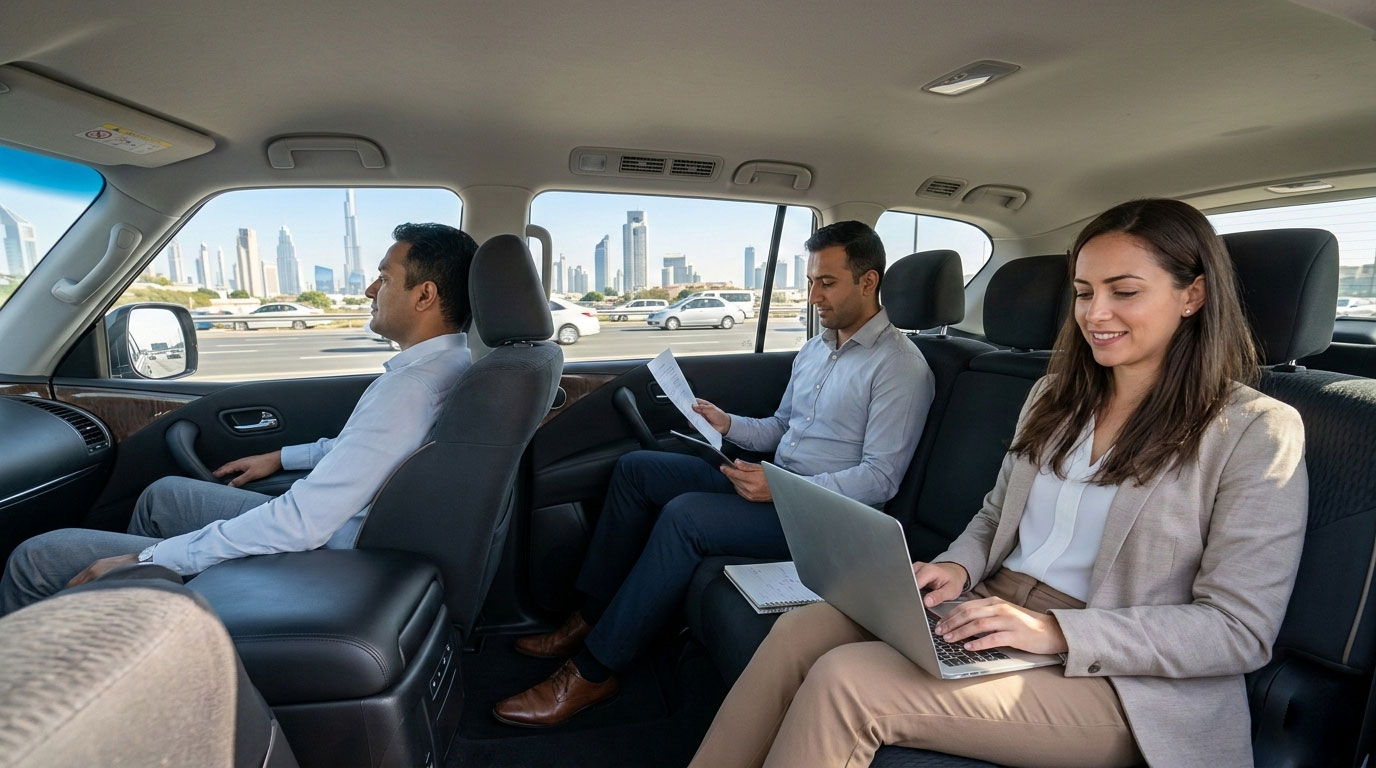
A UAE Shared Car Lift also promotes flexibility in daily commuting. Unlike rigid public transport schedules, shared lifts allow passengers to adjust pick-up and drop-off points based on real-time needs. This adaptability is especially valuable for shift workers, students, or anyone with irregular schedules, offering a convenient, reliable, and personalized commuting option without the need for owning a private vehicle.
Enhancing Social Connections Through Shared Lifts
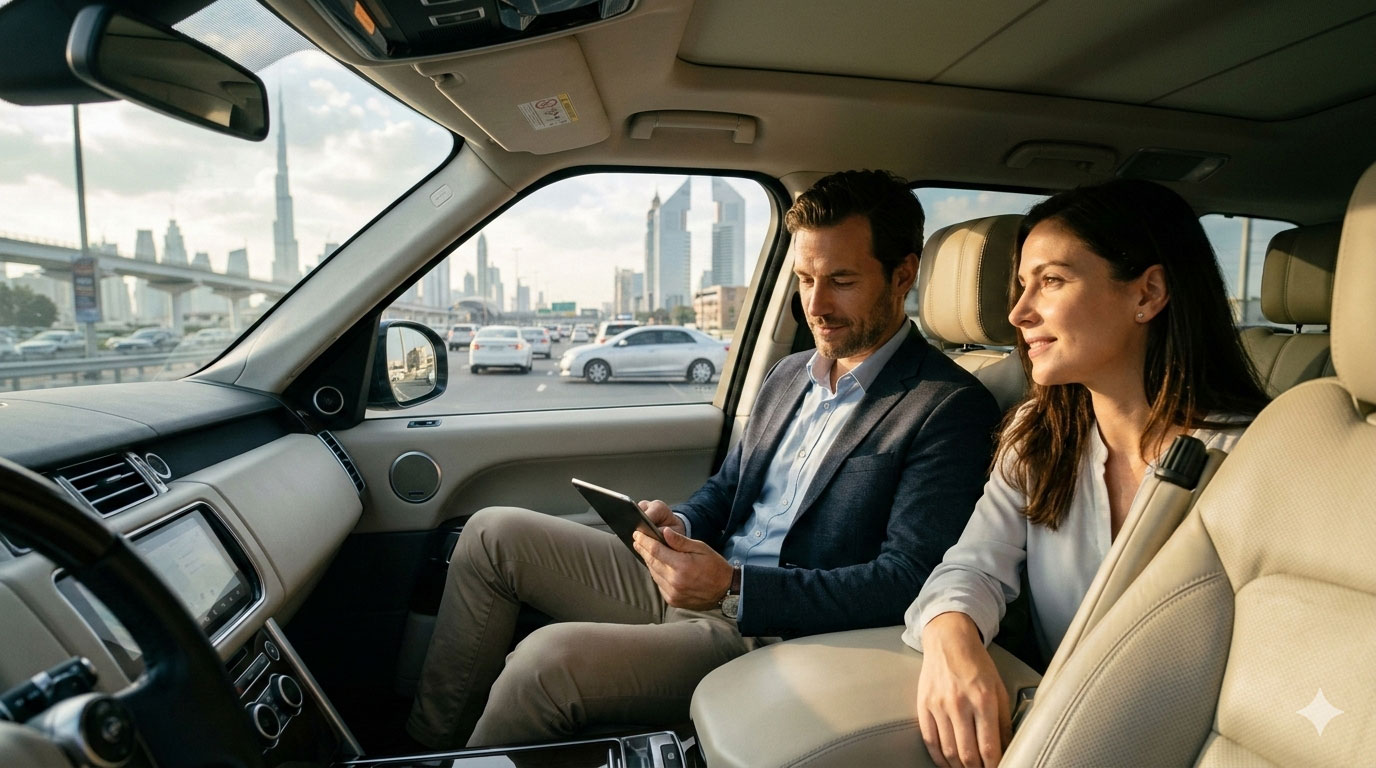
One often overlooked advantage of a UAE Shared Car Lift is the opportunity to build social connections. Sharing a lift with colleagues, neighbors, or fellow commuters can foster networking, collaboration, and even friendships. Over time, these interactions contribute to a stronger sense of community and social cohesion, making daily commutes more enjoyable and personally rewarding.
Integration with Public Transport Systems
UAE Shared Car Lifts are increasingly being integrated with public transport options like metro lines, buses, and trams. This multimodal approach ensures a seamless journey for commuters, where a shared lift can cover the “last mile” from metro stations to workplaces or homes. By combining lifts with public transit, residents benefit from a highly flexible, cost-effective, and time-efficient commuting experience.
Corporate Incentives and Workplace Benefits
Many corporations in the UAE actively encourage shared lifts by offering incentives such as reserved parking, fuel reimbursements, or priority pick-up points. Companies recognize that promoting carpooling reduces congestion around office areas and contributes to sustainability goals. Employees participating in shared lifts often enjoy smoother commutes, reduced stress, and an environmentally responsible image.
Technological Innovations Driving Efficiency
Modern UAE Shared Car Lift platforms leverage AI, GPS tracking, and real-time traffic data to optimize routes and match passengers efficiently. Advanced algorithms calculate the fastest and most fuel-efficient paths while ensuring passenger safety. These technologies also allow users to rate rides, track driver reliability, and monitor vehicle conditions, making the entire process secure and user-friendly.
Supporting Government Sustainability Initiatives
A UAE Shared Car Lift directly aligns with the government’s broader sustainability and smart city initiatives. By reducing the number of single-occupancy vehicles on the road, shared lifts help decrease carbon emissions, minimize traffic congestion, and improve air quality. Residents who participate actively contribute to the UAE’s vision of a greener, smarter, and more sustainable future for all urban centers.
The Future of Shared Mobility in the Emirates
The future of the UAE Shared Car Lift is bright, with integration into the ‘Smart City’ vision. We are likely to see more AI-driven matching algorithms that optimize routes in real-time, as well as the integration of electric vehicles (EVs) into shared fleets. Furthermore, as autonomous vehicle technology advances, the concept of a shared lift will become even more efficient, potentially eliminating the need for private car ownership for a vast majority of the urban population.
Conclusion
Embracing a UAE Shared Car Lift is a smart, responsible, and forward-thinking choice for anyone living in or visiting the Emirates. It addresses the modern challenges of urban living by providing a cost-effective, eco-friendly, and socially engaging way to travel. As the nation continues to innovate, shared mobility will undoubtedly remain a key pillar of its transport infrastructure, helping to build a more sustainable and connected future for all.
Frequently Asked Questions (FAQ)
Is a UAE Shared Car Lift legal for everyone?
>Yes, a UAE Shared Car Lift is legal as long as it follows the regulations set by local transport authorities like the RTA. It must be a non-commercial arrangement where costs are shared, rather than a profit-making venture for the driver. Using approved apps is the best way to ensure compliance.
How can I find a reliable UAE Shared Car Lift?
To find a reliable lift, you should use officially recognized carpooling platforms or corporate apps provided by your employer. These platforms typically verify the identity of all users and provide tracking features for added security.
Can I save money on Salik by sharing a car?
Absolutely. One of the biggest advantages of a UAE Shared Car Lift is the ability to split the cost of Salik tolls among all passengers in the vehicle, significantly reducing the individual cost of commuting through major toll gates.
Don’t wait—schedule your car lift today and experience a seamless ride between Dubai and Abu Dhabi. For more Contact Us or connect Direct via WhatsApp.
For more insights and tips on safe, affordable, and reliable transport services, visit our other articles and stay updated with the latest guides and expert advice.

2 Responses